There are appointments that are political. There are appointments that are administrative.And there are appointments that, even when legally permissible, raise questions so fundamental that government owes citizens an explanation.
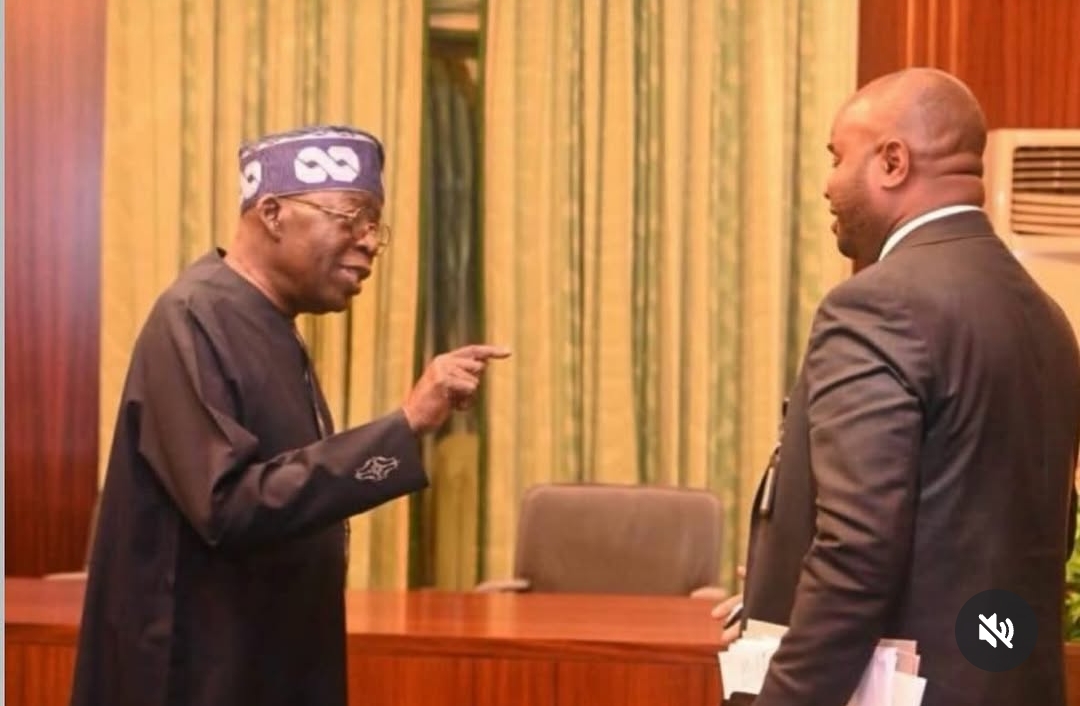
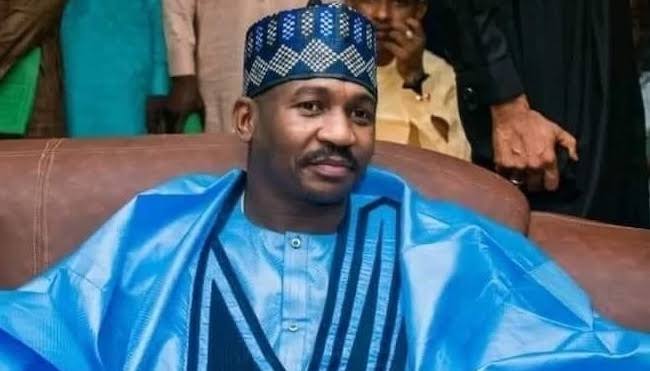
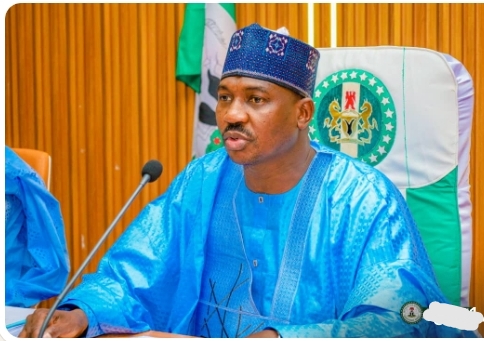
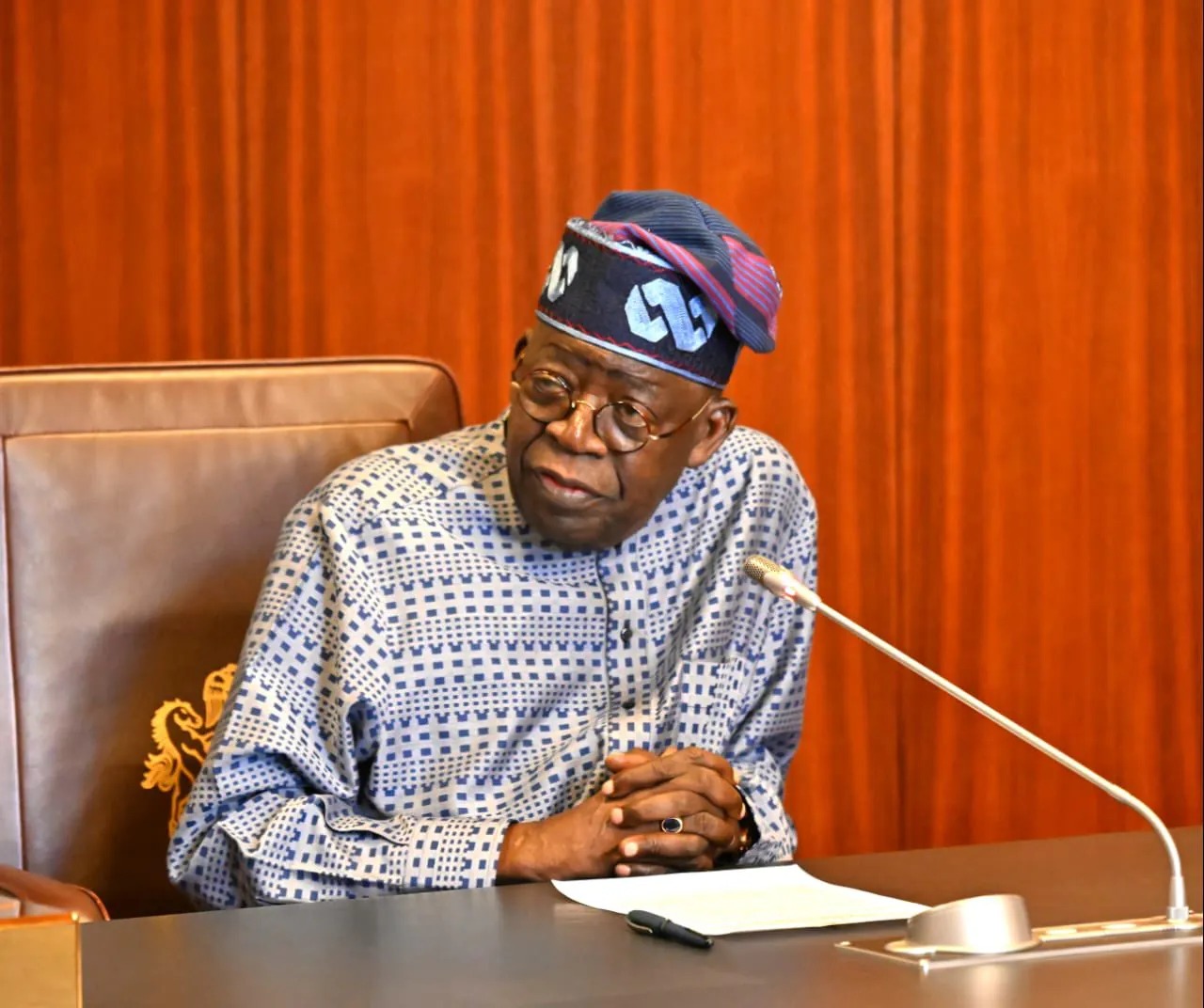
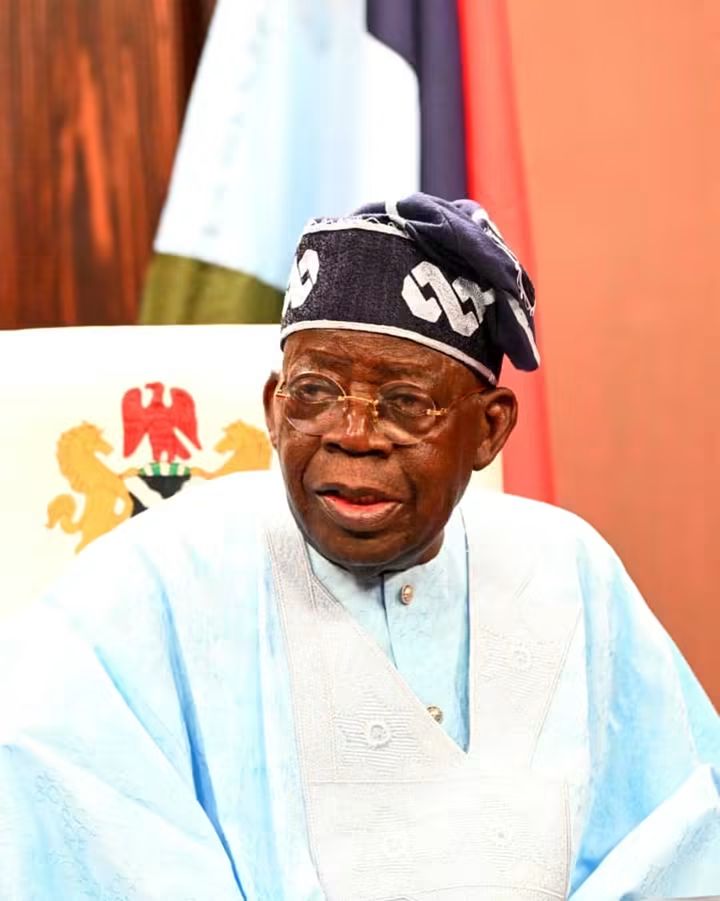
The reported appointment of Dr. Zacch Adedeji, Chairman of the Nigeria Revenue Service (NRS), as Deputy Director of Fundraising in President Bola Ahmed Tinubu’s 2027 Presidential Campaign Council belongs in the third category.
This is not about whether Dr. Adedeji is competent. It is not even primarily about whether he is a supporter of President Tinubu. Public servants, like every other citizen, have political rights.
The question is one of institutional credibility.
The taxman should not merely be clean; he must be seen to be clean.
Taxation is one of the most intimate relationships between the citizen and the State. Government asks citizens and businesses to surrender part of what they earn in the name of the public good. That demand is sustained by trust: trust in how taxes are assessed, collected, accounted for and deployed.
The person heading the national revenue machinery therefore occupies a position where perception is not a luxury. Perception is part of institutional integrity.
That is why the reported decision to place the serving head of the NRS in charge of fundraising for the President’s re-election campaign deserves more than partisan applause or condemnation.
It deserves scrutiny.
Reports published on August 22, 2026, list Dr. Adedeji as Deputy Director of Fundraising in the APC Presidential Campaign Council, alongside Governor Dapo Abiodun as Director of Fundraising.
The question is simple:
Why should Nigeria’s taxman be fundraising for the President whose government he serves?
The NRS is not an APC institution. It is a national institution.
The taxes it collects are not APC taxes. They are Nigerian taxes.
The citizens and businesses from whom those taxes are collected are not APC taxpayers. They are Nigerians.
And the revenue generated is not supposed to finance the political interests of the ruling party. It belongs to the federation and must be administered according to law.
FROM THE PRESIDENT’S DEFENDER TO HIS FUNDRAISER
There is another reason this development is particularly troubling.
Only days ago, Dr. Adedeji was in the public square defending the personal lifestyle of the President.
Asked about concerns over the lavish lifestyle of political officeholders amid the economic hardship confronting Nigerians, the NRS Chairman told Channels Television that President Tinubu walks from his residence to his office and eats only once a day.
That intervention was already significant because it placed the nation’s tax administrator in the role of one of the President’s most passionate public defenders.
Now comes the reported appointment to the President’s campaign fundraising team.
The optics are difficult to escape.
Dr. Adedeji’s closeness to President Tinubu is hardly in doubt. His relationship with Seyi Tinubu has also been publicly discussed, and he is regarded within the President’s political and personal circle as a trusted young ally. There is nothing inherently wrong with friendship or trust.
Indeed, Mr. President’s trust in Zacch may be beyond question.
But that is precisely why institutional boundaries matter.
The President may trust Zacch Adedeji.
Zacch may trust the President.
But can the Nigerian taxpayer trust the tax institution when its head is simultaneously helping to raise money for the President’s re-election?
That is the question.
THE TRUST DEFICIT
The greatest vulnerability of the Tinubu administration today may not be its policy agenda. It is its trust deficit before Nigerians.
Government can explain reforms.
Government can defend policies.
Government can publish achievements.
But where citizens have begun to question the credibility of the messenger, every questionable institutional decision becomes another brick in the wall of suspicion.
And the timing could hardly be more unfortunate.
Just last week, the international headlines were once again dominated by developments in the United States concerning the long-running Freedom of Information litigation over records relating to the historical investigation involving President Tinubu.
President Tinubu had joined a U.S. Justice Department request for additional time in the records-disclosure dispute, while the FBI subsequently sought permission to submit its reasons for withholding certain records privately to the court.
Eni tí a pè ní olè kì í gbé ọmọ ẹran jọ.
Let me be careful here: the existence of a court battle over records is not proof of criminal guilt. Tinubu has not been criminally convicted in connection with the historical matter, and the issues surrounding the records remain subject to legal proceedings.
But politically, perception matters.
A government already facing intense scrutiny over its credibility should be extraordinarily sensitive to decisions capable of generating fresh questions about the separation between public office and partisan politics.
Instead, barely has one credibility storm begun to settle when another is thrown into the public square.
How damning and insensitive can leadership get?
TAKING SARA FROM THE MOSQUE INTO THE CHURCH
There is an old Nigerian expression for taking something beyond reasonable limits: taking Sara from the mosque into the church.
This appointment feels like that.
The taxman has been brought directly into the machinery of partisan fundraising.
What message does that send to the taxpayer?
Imagine a businessman facing a tax assessment from the NRS while knowing that the head of the institution is also sitting on the fundraising committee of the President’s re-election campaign.
Even if nothing improper happens, should the citizen have to wonder whether political loyalty could influence administrative discretion?
That is precisely why institutional boundaries exist.
Good governance is not merely about preventing corruption. It is about preventing reasonable suspicion.
A government committed to transparency should not wait for corruption to occur before worrying about conflicts of interest. It should design institutions in such a way that conflicts are difficult to imagine.
THE CAMPAIGN DEMOCRACY PROBLEM
This is larger than Zacch Adedeji.
It exposes the fundamental weakness of what I have consistently described as Campaigning Democracy.
In Campaigning Democracy, the overriding objective is to win.
Everything becomes subordinate to electoral victory.
Institutions become political assets. Public appointments become instruments of political consolidation. State resources, political structures, personal networks and public influence are gradually pulled into the campaign machine.
The question becomes:
What will help us win?
And when that becomes the governing question, another question disappears:
What is right for the Republic?
This is the desperation of power.
The desperation to retain power at all costs.
But democracy cannot survive when winning becomes more important than legitimacy.
AND THEN, AMUPITAN?
This development inevitably invites another uncomfortable question.
If the serving taxman can become a deputy fundraiser for the President’s re-election campaign, what should Nigerians think about the institutional firewall around the electoral umpire?
Professor Joash Ojo Amupitan was nominated by President Tinubu, confirmed by the Senate and sworn in as Chairman of INEC in October 2025.
I am not suggesting that Professor Amupitan is partisan.
I am making a different point.
Institutions that referee elections must be seen to stand above the contest they regulate.
If the logic of political expediency is allowed to swallow every institutional boundary, tomorrow’s question will be: who else can be recruited into the campaign machinery?
The Auditor-General?
The Police hierarchy?
The electoral bureaucracy?
The Central Bank?
The judiciary?
At what point do we say:
No. This institution must remain above the campaign.
PERFORMANCE DEMOCRACY DEMANDS MORE
This is precisely why I have been advocating the transition from Campaigning Democracy to Performance Democracy.
Performance Democracy is not merely about a government showing citizens what it has done.
It is about how government does what it does.
It rests on four principles:
Integrity of leaders.
Transparency of actions.
Credibility of process.
Accountability of results.
A government cannot demand that citizens trust its tax system while simultaneously creating circumstances that make the taxman look politically captured.
A government cannot preach institutional independence while treating institutions as extensions of the campaign.
And a government cannot ask citizens to believe that elections are credible when every appearance of institutional conflict is dismissed as political noise.
The Lagos Declaration on Performance Democracy was born from precisely this conviction: Nigeria must move beyond the politics of winning elections to the governance of measurable results, transparent processes and accountable leadership.
The 2027 election should therefore become more than another contest for power.
It should become a referendum on how we practise democracy.
Let Tinubu campaign.
Let APC fundraise.
Let political parties mobilise.
But let the institutions of the Nigerian State remain Nigerian.
That is not opposition.
That is patriotism.
The President has a responsibility to ask whether an appointment that may be legally defensible is nevertheless institutionally wise.
Dr. Zacch Adedeji has a responsibility to ask whether his participation strengthens or weakens public confidence in the tax institution he heads.
And citizens have a responsibility to ask questions without being labelled enemies of government.
The issue before us is therefore not whether Zacch Adedeji can raise money.
Of course he can.
The question is whether Nigeria’s taxman should be raising money for Tinubu’s re-election while remaining Nigeria’s taxman.
That is the credibility question.
And in a democracy struggling to recover public trust, credibility is not a minor detail.
Credibility is the currency of government.
We cannot build Performance Democracy with the habits of Campaigning Democracy.
Nigeria deserves better.
Citizen Bolaji O. Akinyemi
Advocate for Performance Democracy