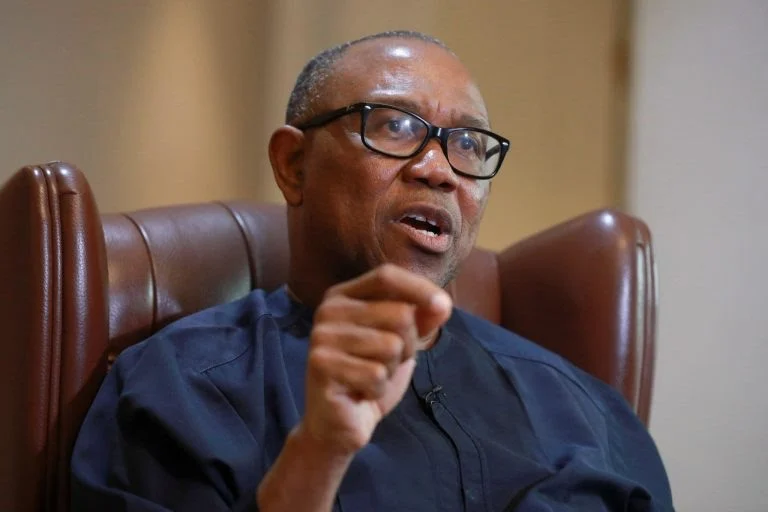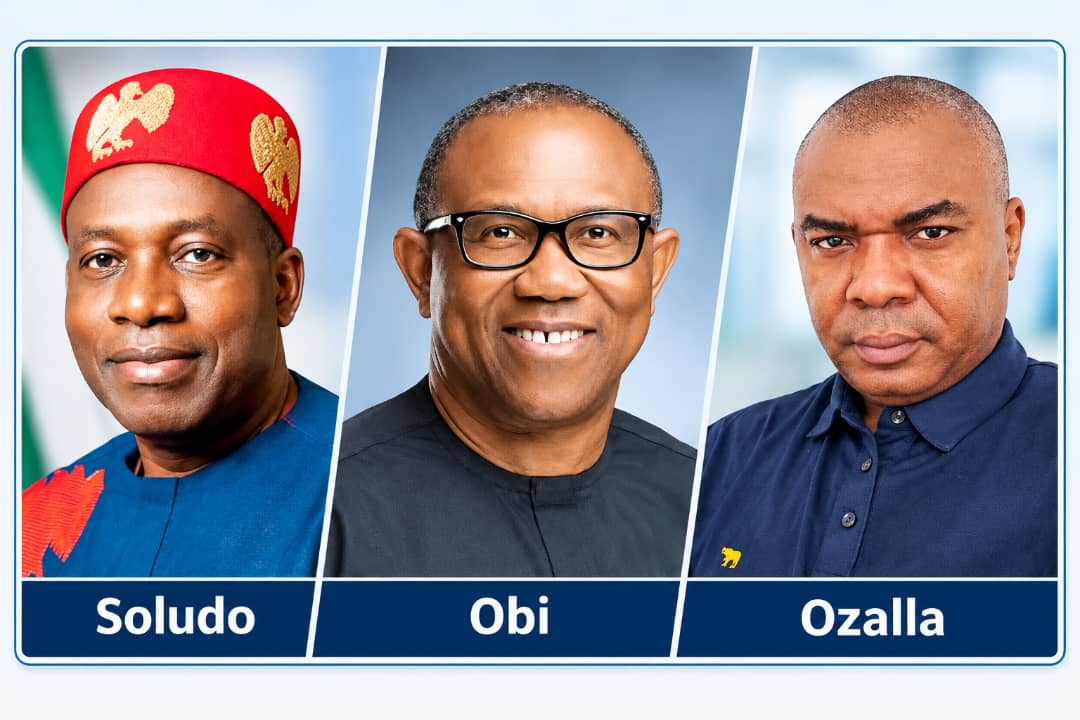
Peter Obi has built his political identity around prudence, competence and the frequent use of comparative statistics. To many Nigerians, this makes him appear informed and prepared. To his critics, however, some of those figures are exaggerated, inaccurate or presented without sufficient context.
The question, therefore, is unavoidable: Is Peter Obi a liar?
Calling someone a liar requires more than proving that he made an incorrect statement. A lie involves knowingly presenting false information with the intention to deceive. Without evidence of intent, it is more responsible to say that Obi has made claims that independent fact-checkers found to be false, misleading or only partly accurate.
Nevertheless, a presidential candidate seeking to lead more than 200 million people must verify every important claim and correct errors openly.
This is not an insignificant matter. The International Centre for Investigative Reporting found several inaccurate or exaggerated claims in his 2018 vice-presidential debate. In 2022, Fact CheckHub documented five occasions on which he quoted incorrect figures. A Dubawa review of ten claims from his Chatham House appearance produced mixed findings: some were true, while others were false or misleading.
These records do not automatically establish that Obi deliberately lied. Statistics can become outdated, researchers can make mistakes, and politicians can misspeak. But when numerical comparisons form the foundation of a candidate’s claim to superior competence, repeated inaccuracies become a serious credibility problem.
Obi and his supporters should not dismiss every correction as propaganda. Neither should his opponents manipulate his words or blame him for fabricated statements circulating on social media. He should be judged by what he actually said, using reliable and verifiable evidence.
The standard must also apply equally to President Bola Tinubu, Atiku Abubakar and every other candidate. Political loyalty must never replace critical thinking.
Peter Obi may not have been proved to be a deliberate liar that should warrant him to be called “Linus” by his opponents,but he must explain his questionable figures, correct errors promptly and become more disciplined with facts. A presidential candidate asking Nigerians to trust his judgment must first demonstrate that Nigerians can trust his information.
So, what should concern voters more: an occasional statistical mistake or a repeated pattern of questionable claims presented with confidence?
As voters, decisions should be based on verified facts, not political loyalty, propaganda or social-media enthusiasm.
What do you think? Is Peter Obi being unfairly labelled, or has he developed a pattern of presenting questionable figures?
Please share your opinion respectfully in the comments section.
Chris Oguama,
Writes From The US.