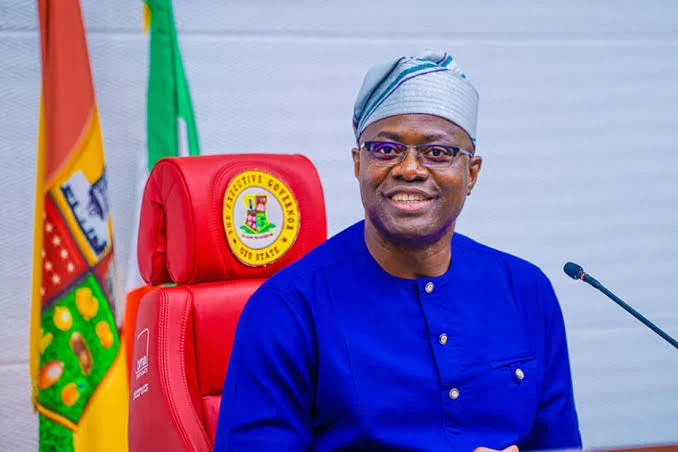
The presidential candidate of the Allied Peoples Movement (APM), Seyi Makinde, has said economic stability must translate into improved living conditions for Nigerians, promising to establish measurable performance targets within his first 100 days in office, if elected President in 2027.

Makinde made the commitments on Wednesday in Abuja during the unveiling of the party’s RESET Nigeria manifesto, where he outlined an economic and governance agenda focused on reducing the cost of living, creating jobs, strengthening public institutions and ensuring greater accountability in government.
He argued that macroeconomic reforms should not be judged solely by financial indicators but by their impact on household incomes, food affordability, employment and the operating environment for businesses.
“Macroeconomic reforms must translate into improvements in people’s lives,” he said, stressing that economic stability must be reflected in job creation, improved incomes and a lower cost of living.
The APM candidate identified what he described as the prioritisation of macroeconomic reforms over broad-based economic growth, lack of government accountability, weak institutions and widespread poverty as four fundamental concerns behind his decision to seek the presidency.
On accountability, Makinde said his proposed administration would establish clear performance targets within its first 100 days, with measurable benchmarks against which its delivery would be assessed within three years.
He said government promises must be linked to responsible institutions, implementation plans and verifiable results, adding that citizens should be able to assess whether elected officials were fulfilling their commitments.
“Our administration will be measurable, and within three years, beginning with the first 100 days, we will establish clear targets against which our performance will be assessed. All of us must be held accountable,” he said.
On the economy, the former Oyo State governor said his RESET agenda would focus on reducing the structural cost of living by lowering production costs and making Nigerian businesses more competitive.
He identified the high cost of energy as a major challenge confronting manufacturers, noting that businesses dependent on diesel-powered generators would continue to incur high production expenses without access to affordable and reliable electricity.
He also expressed concern over businesses relocating to neighbouring countries because of the cost of operating in Nigeria, arguing that the country’s business environment must support local production and industrial growth.
Makinde further questioned how ordinary Nigerians benefit from increases in international crude oil prices, proposing a system that would ensure additional oil revenues translate into tangible benefits for citizens.
He argued that government should establish a transparent framework for managing additional revenue when crude oil prices rise above the benchmark used in preparing the national budget.
On electricity, he said the Federal Government must continue to take responsibility for national electricity infrastructure rather than shifting the burden entirely to state governments.
He pledged that his proposed administration would accelerate efforts to address challenges in electricity generation and distribution.
Beyond the economy, Makinde proposed a transitional government of national unity, supported by a national conference that would bring together representatives of different political, ethnic, religious and social interests to discuss Nigeria’s future.
He also advocated a constitutional provision requiring a presidential candidate to secure at least 50 per cent plus one vote to emerge as President, arguing that the proposal would encourage broader political alliances and a stronger national mandate.
The APM candidate said he would not personally benefit from the proposed constitutional and political arrangements, insisting that any reforms should be driven by the national interest.
Earlier, the APM vice-presidential candidate, Lawal Daura, identified education, the economy, security and the socio-political system as the four major pillars of the RESET agenda.
Daura said the proposed transitional government would provide an opportunity for Nigerians to collectively examine the country’s challenges and agree on a common direction.
He also emphasised the importance of protecting opposition participation, describing opposition parties as complementary to democratic governance rather than enemies of the government.
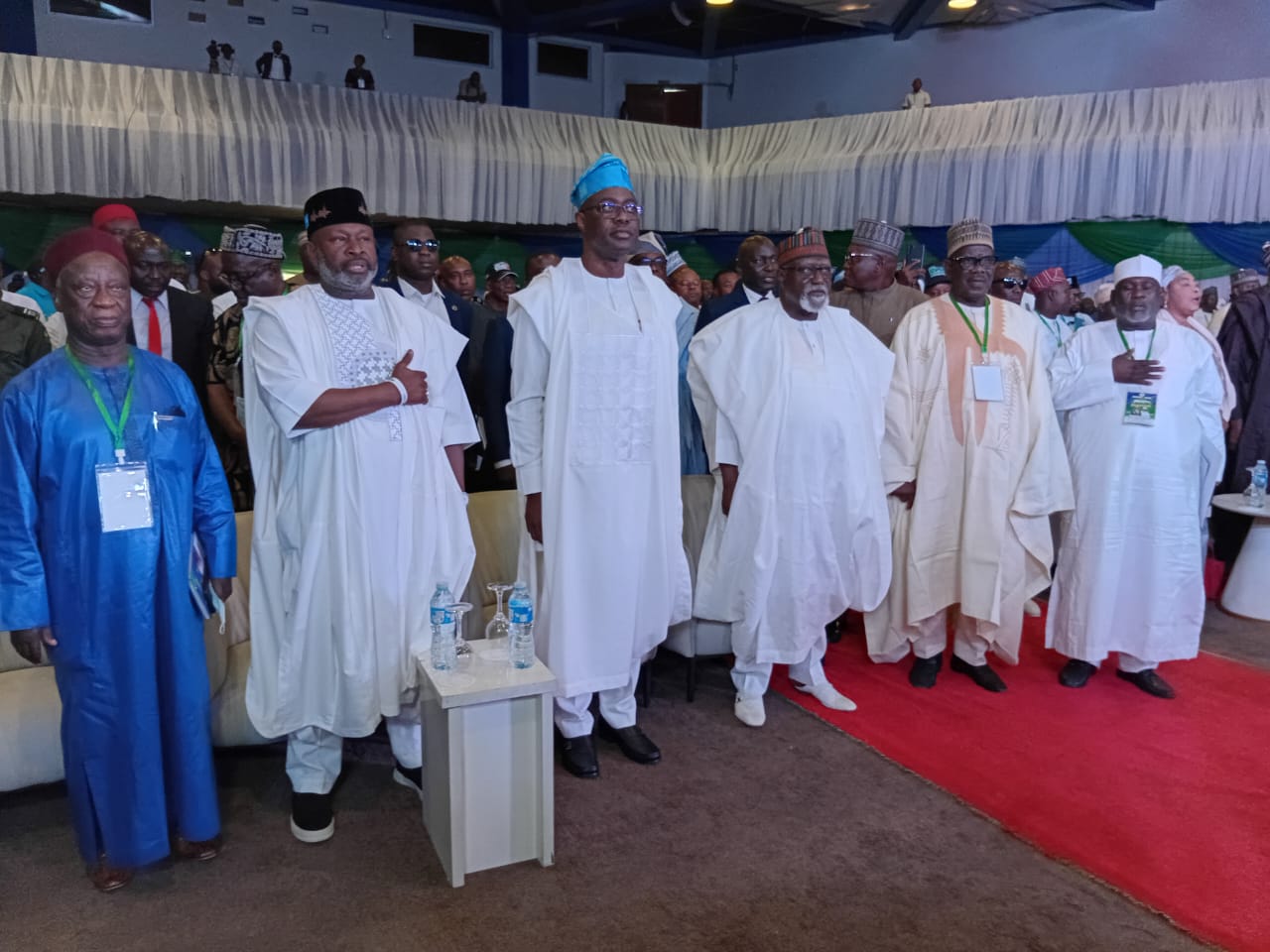
Makinde said the manifesto was developed through extensive consultations and town hall meetings across Nigeria’s six geopolitical zones, where citizens were asked about the kind of country they wanted and the changes they expected.
He urged Nigerians to study the document, examine its commitments and timelines, ask difficult questions and hold the party accountable for its proposals.
The RESET Nigeria manifesto sets out the APM’s proposed policy direction ahead of the 2027 presidential election