The Human Rights Writers Association of Nigeria (HURIWA) has rejected the Federal Government’s latest push for state governors to reduce transportation fares through Compressed Natural Gas (CNG) buses, insisting that the measure, while potentially helpful to commuters, cannot by itself resolve Nigeria’s deepening cost-of-living crisis.
HURIWA says the Federal Government must urgently confront the root cause of the escalating cost of transportation and production by taking decisive steps to bring down the price of petrol to a level that Nigerians and businesses can sustain.
The rights group is therefore calling for a drastic reduction of petrol prices towards the N180-per-litre level obtainable in 2021, arguing that Nigerians cannot continue to absorb the cascading effects of high energy costs across virtually every sector of the economy.
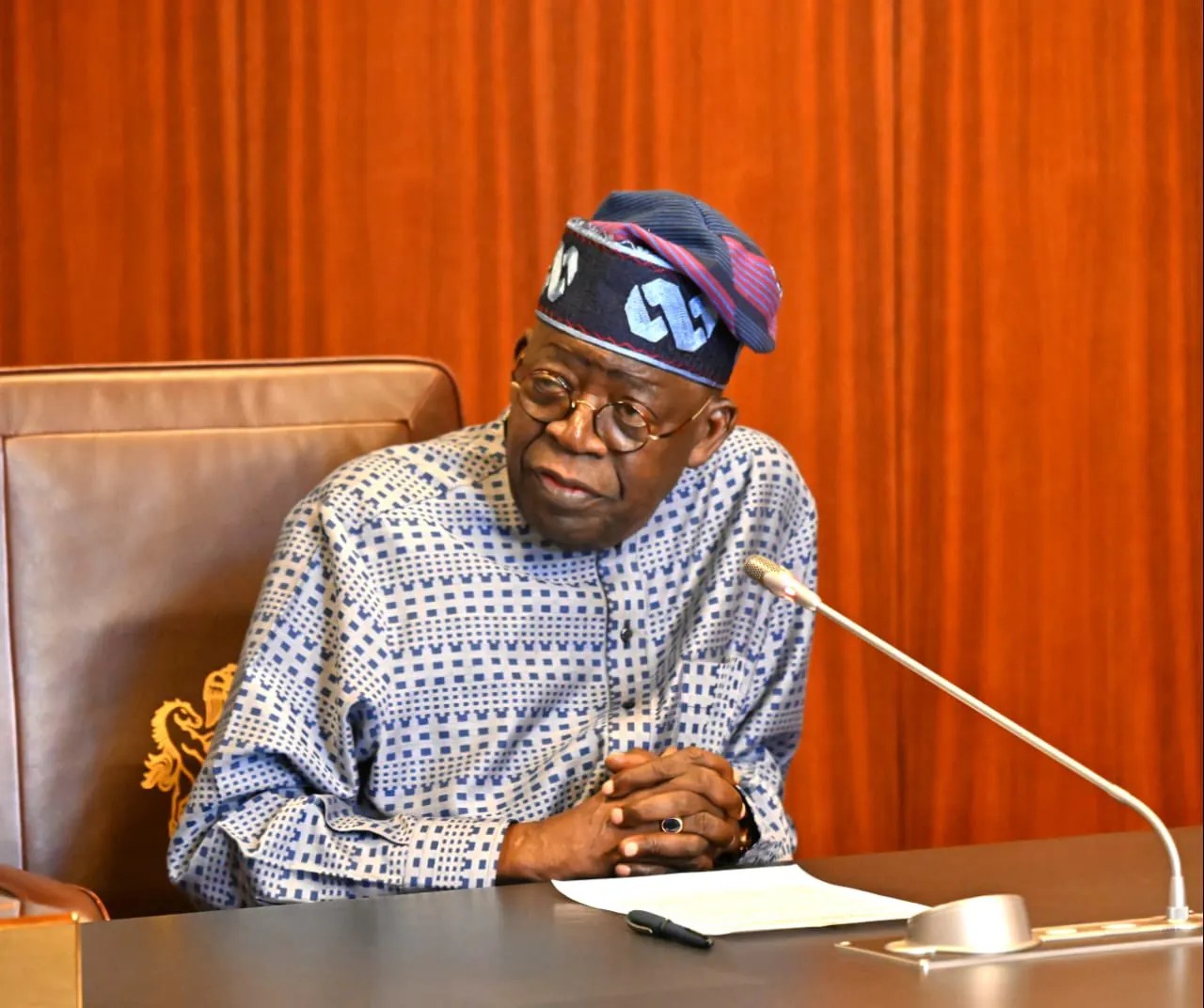
The call followed President Bola Tinubu’s directive to the 36 state governors to ensure measurable reductions in transportation costs from October 1 through expanded CNG and electric-powered public transportation programmes.
While HURIWA acknowledges the potential benefits of cheaper-energy buses, it insists that CNG buses are not a magic wand for an economy being battered by high energy costs.
The association notes that the cost of petrol does not affect transportation alone.
It directly and indirectly influences the cost of manufacturing, agriculture, food distribution, logistics, construction, small businesses and virtually every activity dependent on energy and transportation.
When the price of fuel rises uncontrollably, HURIWA says, the consequences travel through the entire economic chain.
A manufacturer pays more to power machinery and transport raw materials. A farmer pays more to move produce. A trader pays more to transport goods to the market. A small business pays more to operate generators. Ultimately, the Nigerian consumer pays the additional cost through higher prices.
This is why HURIWA considers the current approach of placing the burden of reducing transportation costs principally on state governors inadequate.
President Tinubu is the President of the Federal Republic of Nigeria and bears the ultimate responsibility for national economic policy and the protection of the welfare of citizens.
HURIWA therefore finds it unacceptable for the Federal Government to appear to be shifting responsibility for the consequences of high fuel prices to state governors.
Governors cannot determine the international price of crude oil, regulate the entire downstream petroleum sector or independently resolve the structural weaknesses responsible for Nigeria’s energy crisis.
They can provide interventions, but they cannot substitute for a coherent national energy policy.
HURIWA consequently urges President Tinubu to move beyond temporary palliatives and take urgent measures capable of producing a sustainable reduction in energy costs.
The association notes the President’s argument that returning to the old petrol subsidy regime would expose Nigeria to the enormous fiscal burden associated with subsidy payments.
However, HURIWA insists that rejecting the former subsidy system must not mean abandoning Nigerians to uncontrolled energy costs.
There must be a credible middle ground between a ruinous subsidy regime and a situation where millions of Nigerians are priced out of transportation, food, production and basic economic activity.
The Federal Government must therefore explore every lawful fiscal, regulatory and market-based instrument available to stabilise fuel prices while protecting the most vulnerable Nigerians.
HURIWA also calls for greater transparency in the pricing structure of petrol, including the cost of crude, refining, importation, transportation, margins, taxes and other charges contributing to the pump price.
Nigerians deserve to know exactly why the price they pay at the pump remains so burdensome and what concrete measures the government is taking to bring it down.
The association welcomes the reported expansion of CNG conversion centres and alternative-energy transportation across the country, but warns against presenting these initiatives as a comprehensive solution to the nation’s economic crisis.
A CNG bus can reduce the fare paid by a passenger on one route; it cannot by itself reduce the cost of feeding a family, operating a factory, transporting farm produce or powering thousands of small businesses.
That distinction, HURIWA says, must guide the Federal Government’s response.
The association is particularly concerned about the potential consequences for the manufacturing sector if energy costs remain persistently high.
Manufacturers already operating under severe cost pressures may be forced to reduce production, increase prices or shut down altogether when the cost of energy and logistics becomes unsustainable.
Such closures would worsen unemployment, reduce domestic production and increase Nigeria’s dependence on imported goods.
HURIWA therefore urges the Federal Government to treat energy-price stability as a national economic emergency, rather than principally as a transportation problem.
The rights group further calls for accelerated domestic refining capacity, greater competition in the downstream petroleum sector, transparent pricing and targeted measures that can reduce the cost of energy for manufacturers, farmers, transport operators and households.
HURIWA believes that Nigerians should not be forced to choose between feeding their families and paying transportation costs.
The organisation equally warns state governments against passing the burden of expensive transportation entirely to already impoverished citizens and urges them to ensure that every subsidy or intervention genuinely reaches commuters.
Nigeria needs a comprehensive energy and economic rescue plan, not isolated interventions that merely move the burden from one level of government to another.
HURIWA therefore calls on President Tinubu to urgently convene relevant economic managers, state governments, labour, manufacturers, transport operators and civil society organisations to develop a sustainable framework for reducing energy and transportation costs.
The association maintains that the ultimate objective must be to restore the purchasing power of ordinary Nigerians, revive domestic production and prevent the continued erosion of living standards.
The Nigerian people need affordable fuel, affordable transportation, affordable food and an economy in which production is once again viable.
CNG is part of the solution, but CNG cannot become an excuse for government to avoid confronting the wider fuel-price crisis.
HURIWA urges the Federal Government to act decisively before the combination of high energy costs, declining purchasing power and rising production expenses pushes more Nigerians and businesses beyond the limits of survival.
The time for fragmented interventions is over. Nigeria needs a comprehensive economic response that puts the welfare of its citizens at the centre.
Comrade Emmanuel Nnadozie Onwubiko
National Coordinator
Human Rights Writers Association of Nigeria (HURIWA). Sunday, September 20th, 2026