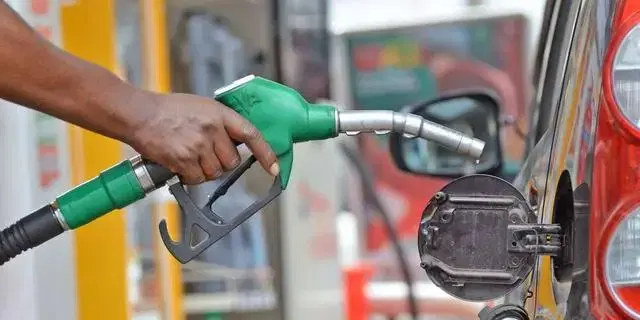
As the opposition political parties continue to promise restoration of fuel subsidy ahead of the 2027 elections, the Federal Government has decided to push back by highlighting its economic implications on the country.
Given the hardship Nigerians are going through, the promise of bringing back subsidy has resonated well with many Nigerians and thrown the government into panic.
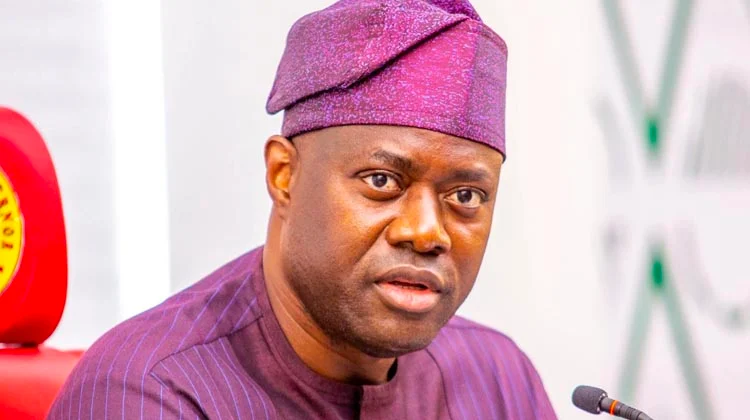
Minister of Finance and Coordinating Minister of the Economy, Taiwo Oyedele who made this argument started that reducing petrol prices to pre-reform levels would cost the government more than ₦20 trillion annually.
Oyedele pointed out that retaining the pump price of ₦500 per litre would require over ₦16 trillion every year., which would have broader impact on the economy.
He pointed out that subsidy removal generated ₦15.8 trillion for the Federation Account between June 2023 and December 2025, with ₦10.4 trillion distributed to states and local governments
Against this backdrop, Oyedele slammed the subsidy restoration, arguing that Nigerians would face more economic hardships, stressing that the price of fuel could even rise higher than its present cost and worsen the economic well-being of Nigerians.
The Minister argued that the recent increase in fuel prices was due to global market disruptions arising from the ongoing conflict in the Gulf region.
Oyedele said the crisis has pushed crude oil prices above $100 per barrel and tightened supplies of refined petroleum products across international markets.
He noted that petrol prices in Nigeria have increased from about ₦830 per litre before the crisis to an average of ₦1,400 per litre, indicating external market pressures globally.
The Minister who admitted that households were going through a lot of economic pressures, however, argued that any attempt to restore fuel subsidies, including schemes presented as support for local refining, would effectively amount to a consumption subsidy and place a significant pressures on public finances.
Oyedele estimates that such a move could push the exchange rate close to ₦3,000 per dollar, while subsidised petrol could eventually cost at least ₦2,000 per litre.
He pointed out that to ease the current hardship without returning to blanket subsidies, the government announced a range of support measures., and revealed that the government was considering a fuel price modulation mechanism designed to maintain an ex-gantry or landing-cost ceiling of ₦1,350 per litre, with the aim of reducing sharp fluctuations in pump prices.
He explained that the proposed arrangement would help cushion volatility in the market without suppressing prices or reintroducing subsidy payments.
In addition, he said the government plans to establish a National Strategic Fuel Reserve to safeguard supply during future market disruptions and minimise the impact of fuel shortages and price spikes.
Oyedele concluded “The cost of fuel is real, and we do not dismiss it,” stressing that the government’s priority is to provide targeted relief, while preserving reforms it considers crucial to Nigeria’s long-term economic stability.