Sokoto State Government says it is pursuing its aggressive development agenda without borrowing and also channelling the bulk of its resources into infrastructure and long-term investments.
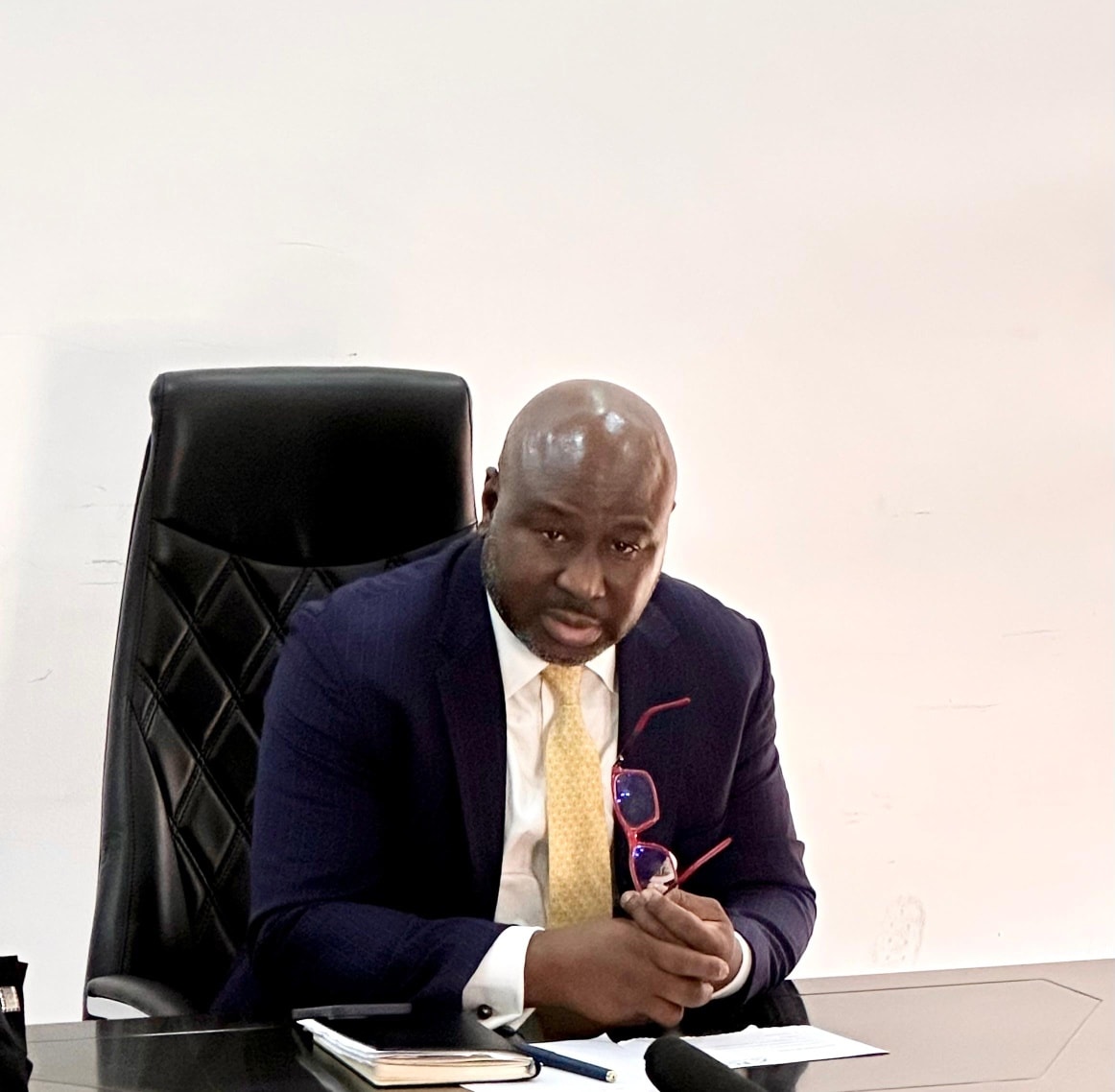
Commissioner for Information and Orientation, Sambo Bello Danchadi, who disclosed this said while other states were grappling with both domestic and foreign debts,Sokoto is debt free.
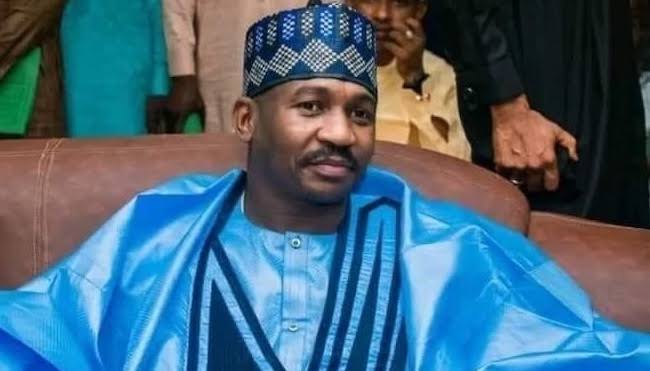
Danchadi said the administration of Governor Ahmed Aliyu has adopted a strict fiscal model that prioritises capital expenditure while deliberately cutting down the cost of governance.
According to him “At the heart of this strategy is the 2026 budget, where 70 per cent is allocated to capital projects and just 30 per cent to recurrent spending; a shift he described as both deliberate and unprecedented.”
He stated “Members of the State Executive Council, and indeed the people of Sokoto State, are very proud because the Governor Aliyu administration will leave no debt burden at the end of its tenure, unlike a particular previous administration that accumulated debt without tangible results,”.
The Commissioner pointed out that “Nearly three years into office, the administration has combined this spending model with a firm no-borrowing policy, insisting that projects are executed strictly within available resources.”
According to Danchadi, this has further been reinforced by tough financial controls, including a “no-variation” policy that locks contract sums from the outset, preventing inflation-driven cost increases and eliminating opportunities for abuse.
Danchadi further said “To further ensure efficiency, the government pays 30% upfront to contractors, allowing for rapid mobilisation and immediate economic stimulation.”
The commissioner attributed this approach to the governor’s background as a financial expert, noting that disciplined cash management has made it possible to fund large-scale projects without resorting to loans.
He asserted that the impact of this model is already visible across the state, pointing out “The government has constructed more than 350 roads, expanded healthcare facilities, rehabilitated schools, and installed solar-powered streetlights to improve security and night-time economic activity.”
He added ” At the same time, it has maintained continuity by completing projects inherited from previous administrations.”
The commissioner also stated “Beyond infrastructure, the administration has also tackled inherited financial obligations, particularly over ₦14 billion in unpaid gratuities owed to retirees”
He pointed out “Through a structured payment plan of about ₦500 million monthly, the government says it hopes to effectively clear the backlog while preventing new debts from accumulating with the provision of another ₦300 million.”
Danchadi explained that for the governor, financial discipline goes beyond cutting costs to verification processes, digital revenue collection systems, and strict adherence to due process before any project is approved”.
This approach, he said, has ensured that every commitment is backed by available funds, reducing the risk of abandoned projects and legal disputes.
A key example of this caution is the reconstruction of the Sokoto Central Market.
He noted “the government had initially planned to immediately reconstruct the market, which was gutted by fire during the administration of former governor Aminu Tambuwal, but had to pause and investigate the situation.”
He disclosed that the government discovered the former governor had mortgaged the market.
“The administration eventually cleared the debt before awarding an ₦8.5 billion reconstruction contract, a move Danchadi said prevented future legal complications and secured full ownership.
He noted that while the administration operates with a strong sense of urgency to reverse years of underdevelopment, it has anchored its actions on the 9-Point Smart Agenda, which provides a framework for aligning short-term interventions with long-term goals.
He added “The agenda has also undergone a midterm review to ensure policies remain relevant and sustainable.”
The commissioner said “We recognised the depth of the developmental gaps and moved quickly, but without undermining planning or due process,”.
According to him, the result is a governance model that blends speed with structure, delivering visible projects, restoring public confidence, and maintaining fiscal stability without accumulating debt.
As the administration approaches its fourth year, officials argue that Sokoto’s experiment in cash-backed development and disciplined spending is not only addressing immediate infrastructure needs but also setting a precedent for sustainable, debt-free governance.