The Nigeria Sovereign Investment Authority (NSIA), has said a diversified, “village” approach to infrastructural financing remains central and critical to realising the country’s $1 trillion economy target by 2030.
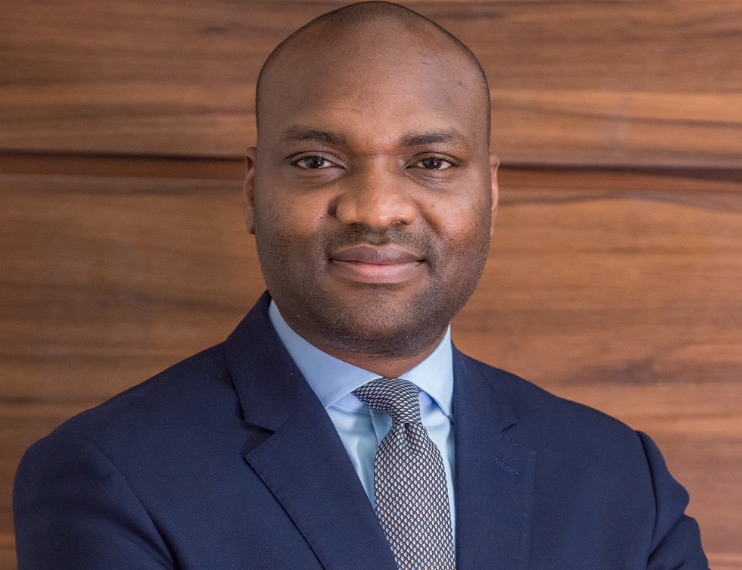
NSIA Managing Director/CEO, Aminu Umar-Sadiq stated this at the 2025 Annual General Meeting of the Finance Correspondents Association of Nigeria (FICAN) in Abuja with the theme “Actualising President Bola Ahmed Tinubu’s $1 Trillion Economy Agenda.”
Umar Sadiq who was represented by the Vice President of NSIA, Abraham Durosawo pointed out that the magnitude of the challenge facing the country in infrastructural development requires an annual investment of $100 billion to $150 billion to close its current deficit.
He noted that the NSIA continues to play a pivotal role through the Presidential Infrastructure Development Fund (PIDF), ensuring that projects are executed to international standards towards attarcting diverse interest finace group of investors.
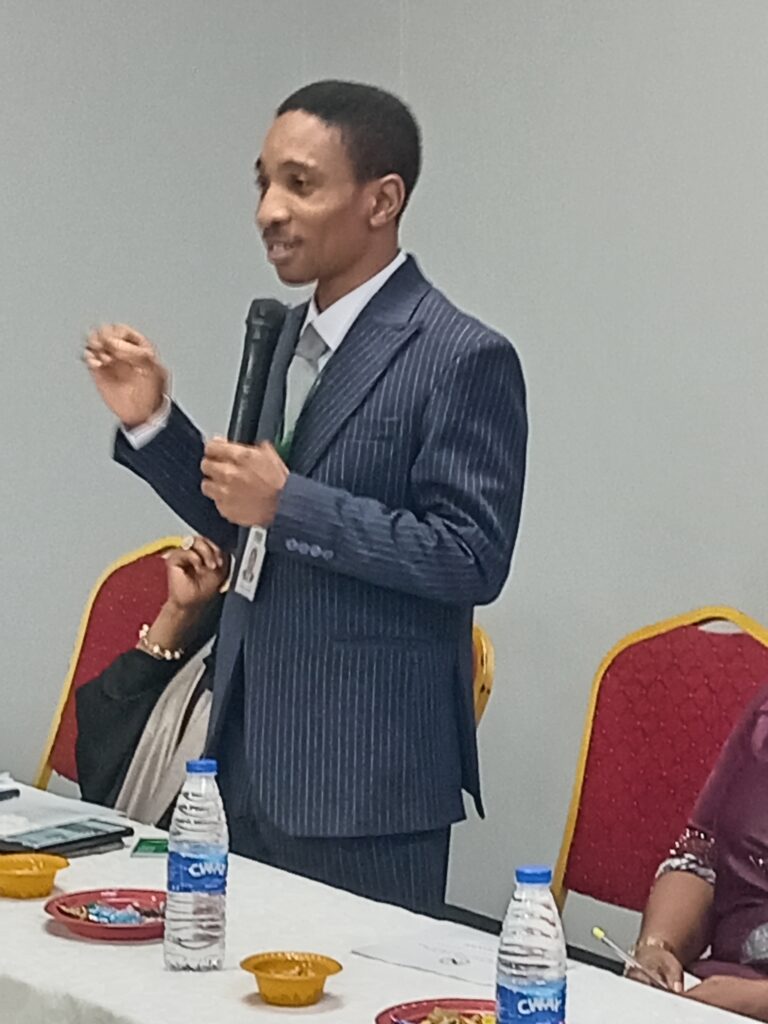
The MD stated ”It takes a village to deliver this $1 trillion economy,” while urging a shift in public perception regarding how projects are funded, pointing out that the “universe of infrastructure” in the country is currently powered by several distinct layers.
These layers include the PIDF, managed by the NSIA in conjunction with the Federal Government; the Tax Credit Initiatives, which leverages on private sector resources for road construction in exchange for government tax benefits.
The Private Capital, which he noted is an independent financing within the financial ecosystem for specific projects, and the State-Led Interventions, where projects are funded and managed at the sub-national level.
On issues around some projects like the Lagos-Ibadan road and the Second Niger Bridge, which past administrations claimed to have borrowed money to build, which the NSIA also claimed to have funded, Umar-Sadiq explained that some projects were subjected to review due to fund control factors and policy updates, with the ultimate goal being value creation for the Nigerian people.
He confirmed that a comprehensive review of the national infrastructure strategy was ongoing to ensure future implementations were both sustainable and efficient.
The Managing Director pointed one critical area the NSIA was focusing on now was powering the future through REA Partnerships stressing the Authority was committed to renewable energy through its strategic partnership with the Rural Electrification Agency (REA).
According to him ”The core role we play is acting as a catalyst to attract capital,” pointing out that “The partnership aims to provide energy access to tens of millions of Nigerians currently off the grid, positioning renewable energy as a foundational pillar of the $1 trillion agenda”.
He implored the financial media and the public to engage more deeply with the “financial ecosystem” to understand the creative structures—such as those used by the Bureau of Public Enterprises (BPE) and the Infrastructure Concession Regulatory Commission (ICRC)—that are being deployed to solve Nigeria’s long-standing development hurdles.
Umar-Sadiq stressed that because the fund for their projects belong to Nigerians through the three tiers of government they focus on value addition to part of the country like their Cancer diagnostic and Oncological centres being built across the country.