
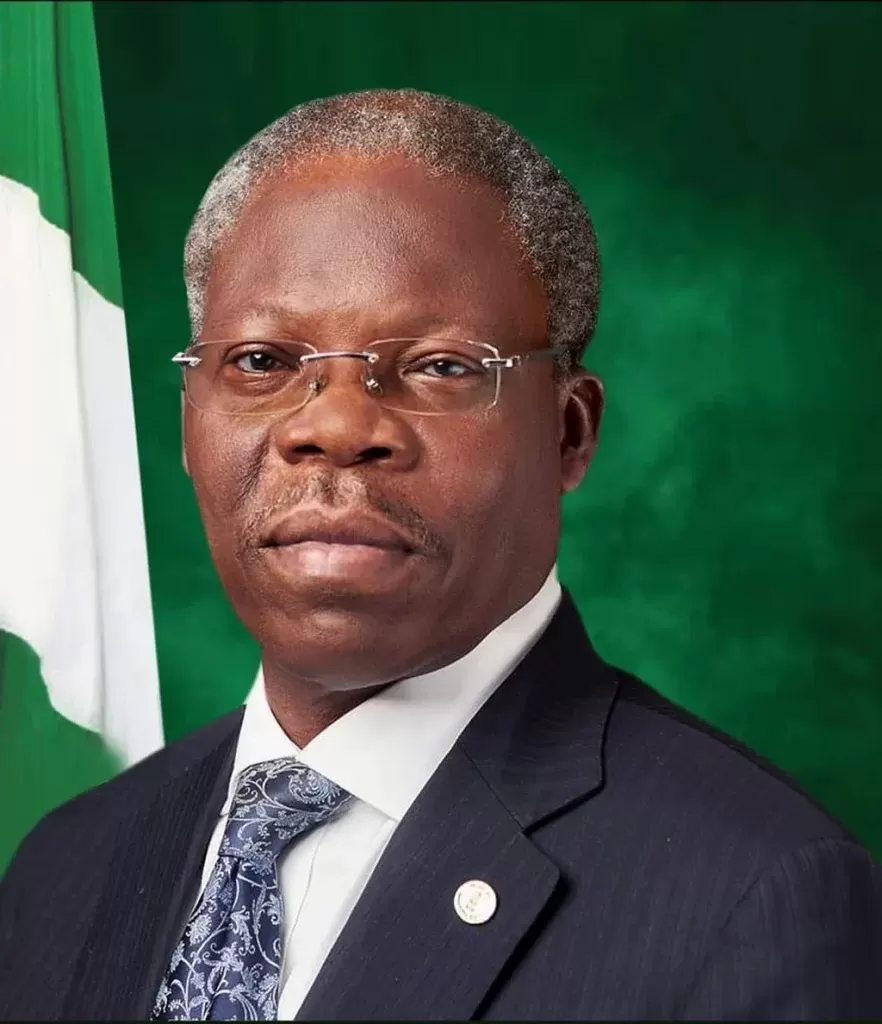
The The Bureau Of Public Enterprises, BPE says it is targeting to rake in over N189bn revenue to government’s coffers this year through 15 strategic projects.
In 2025 the Bureau contributed about ₦185 billion to the treasury to help to ease fiscal pressures, through the commercialisation of selected National Integrated Power Plants, public listing of a distribution company on the Nigerian Exchange, concession of Oyan Dam, and asset optimisation in the oil and gas sector.
The Director-General of the Bureau of Public Enterprises (BPE), Ayodeji Gbeleyi, stated this at the 2026 Finance Correpsondents Association Of Nigeria, FICAN, Annual General Meeting in Abuja on Wednesday with the theme, “Actualising Bola Ahmed Tinubu’s $1 Trillion Economic Agenda,” .
Gbeleyi, who was represented by the Director, Industries and Services, Bureau, Toibudeen Oduniyi, said the target calls for “bold structural reforms, private sector capital mobilisation and stronger institutions.”
The DG said the country was undergoing tremendous “economic reforms aimed at stabilising the macroeconomic environment and repositioning the country for sustainable growth”.
He noted that recent reforms are “designed to strengthen fiscal discipline, improve asset performance and enhance investor confidence.”

Gbeleyi highlighted the Bureau’s ongoing efforts to reset the power sector, describing electricity as critical to industrialisation and competitiveness.
He pointed out that BPE has strengthened collaboration with key stakeholders in the Nigerian Electricity Supply Industry, improved contract compliance, and optimised concession agreements to unlock value and improve operational efficiency.
According to him, the renegotiation of the Zungeru Hydropower concession in 2025 resulted in an early payment of ₦107 billion into the Federal Government treasury, while the completion of the Afam and Afam III Fast Power transaction generated ₦54 billion.
He added that reforms supporting the unbundling of the Transmission Company of Nigeria and the operationalisation of the Nigerian Independent System Operator are reinforcing regulatory clarity and grid stability.
He explained that beyond revenue targets,”the transactions are structured to deepen the capital market, attract domestic and foreign investment, create jobs and support non-oil GDP growth.”
He also pointed to ongoing initiatives such as” the Distribution Sector Recovery Programme to bridge the country’s metering gap and strengthen electricity distribution infrastructure.”
Gbeleyi emphasized that achieving a $1 trillion economy will “depend on transparency, accountability and sustained reforms,” while underscoring the critical role of financial journalists in promoting informed public discourse.
He commended FICAN for its contribution to economic reporting and called for continued collaboration in advancing Nigeria’s reform agenda.