…Sports Development Must Be Private-Sector Driven……. Shaibu
The Director-General/CEO of the National Institute for Sports (NIS), Comrade Philip Shaibu, has commended Assuage Wellness, Cloudsports and G-Innovations for their intervention in the renovation of the Institute’s Academic Building, Hostel and Gymnasium Building, describing the initiative as a significant step towards strengthening private-sector participation in sports development.
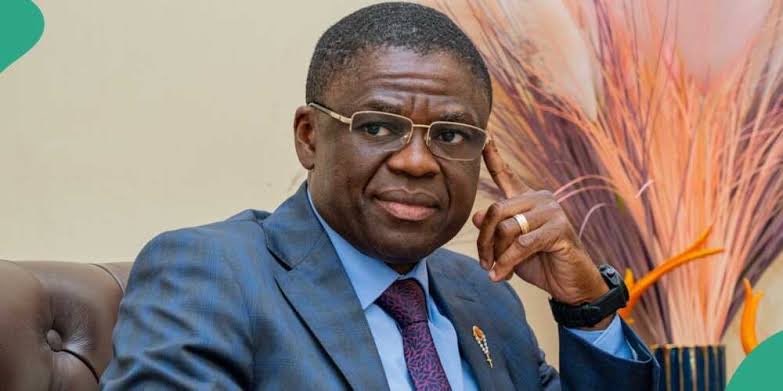
The DG, while expressing appreciation to the three organisations, noted that their intervention was a practical demonstration of the institutional collaboration and private-sector partnership the Institute had consistently advocated as a means of addressing infrastructural challenges in the sports sector.
Shaibu stressed the need for Nigerians to take collective ownership of public facilities, noting that infrastructure provided with taxpayers’ money belongs to the people and must be protected and properly maintained. He maintained that government facilities should not be regarded as the property of individuals or political office holders but as collective assets requiring shared responsibility.
“There is no government facility, as far as I am concerned. Every facility that taxpayers’ money is used to build belongs to the taxpayers. So, we must continue to treat government facilities as our own,” he stated.
The NIS helmsman further described sports as a powerful instrument for national development, emphasising its potential to address poverty, unemployment and insecurity, while improving public health and stimulating economic growth. According to him, effective utilisation of the opportunities in sports will contribute to building a healthier, more productive and economically vibrant nation.
“Sports is the easiest way to reduce poverty, unemployment and insecurity in Nigeria. Sports is the easiest way to grow our economy,” Shaibu declared.
He called on other private organisations to emulate the gesture of Assuage Wellness, Cloudsports and G-Innovations, stressing that sustainable sports development requires stronger private-sector involvement rather than depending solely on government funding and intervention. He also assured the organisations of the Institute’s continued partnership, particularly in the maintenance of the renovated facilities.
“Government cannot run sports and achieve the required results we want to achieve. Government’s business is to drive the business of infrastructure; to drive the business of sports, it must be private-sector driven, and that we have come to do,” he added.
The DG subsequently flagged off the renovation exercise by applying the first coat of paint, marking the commencement of the intervention across the three facilities.
The initiative further reinforces the NIS commitment to institutional collaboration, infrastructure renewal and the development of a sustainable sports system through strategic partnerships with private organisations.
Meanwhile, following the flag-off ceremony, the Director-General of the Institute also paid a visit to the Assuage Wellness Centre within the National Stadium complex, where he was received by Dr. Barakat Adebayo, Founder of Assuage Regenerative and Wellness Centre and Assuage Arthritis Care Foundation.
He was taken on a guided tour of the facility, providing an opportunity to showcase Assuage’s approach to regenerative health, pain management, mobility, physical recovery and healthy ageing.
The visit, which was accompanied by the media team, further highlighted the connection between sports development and holistic wellness, reinforcing the importance of creating an ecosystem that supports not only sporting infrastructure and athletic performance but also physical health, injury management, recovery and long-term wellbeing.
Dr. Barakat reaffirmed Assuage’s commitment to maintaining a strong and enduring partnership with the National Institute for Sports, expressing the organisation’s intention to continue contributing to the Institute’s growth and development through strategic collaborations and initiatives that support sports infrastructure, wellness, health promotion and the broader advancement of the sports sector in Nigeria.
She noted that the current intervention represents an important step in a continuing relationship built on shared values, institutional development and the belief that sustainable sports development requires active private-sector participation.