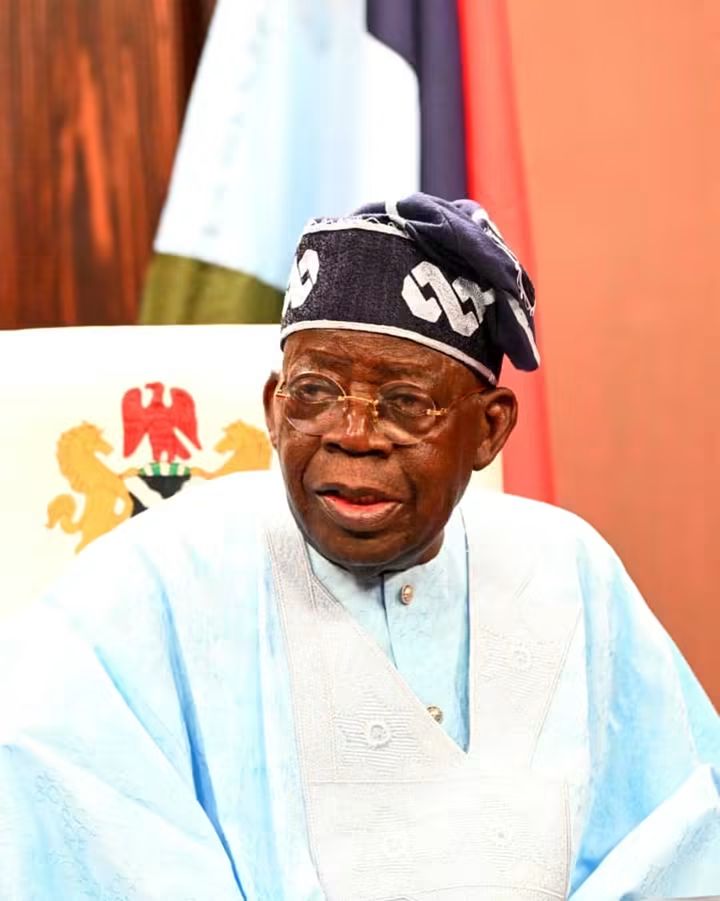

The Federal Government has said the removal of petrol subsidy under President Bola Tinubu generated N15.8 trillion in savings for the Federation Account over the past three years.
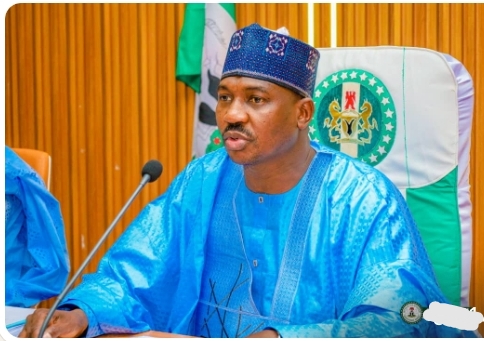
Minister of Finance and Coordinating Minister of the Economy, Taiwo Oyedele, disclosed this on Wednesday during a press briefing in which he outlined the financial impact of the administration’s economic reforms.
Oyedele explained that the N15.8 trillion subsidy savings were distributed among the three tiers of government, with the Federal Government receiving N5.43 trillion, states N6.52 trillion and local governments N3.88 trillion.
He added that other economic reforms generated an additional N3.12 trillion in revenue, while the Federal Government incurred N11.85 trillion in additional borrowing during the period.
According to the minister, the combination of the subsidy savings, additional revenue and borrowing provided the Federal Government with approximately N20.4 trillion in incremental resources.
He however, clarified that the funds did not constitute a single pool of cash available for government spending, noting that additional expenditure during the period amounted to N30.64 trillion.
According to him “The Federal Government had approximately N20.4 trillion in incremental resources.
“Over the same period, additional expenditures amounted to approximately N30.64 trillion.
Oyedele said “Subsidy removal therefore did not create one large pool of cash available to the Federal Government. It reduced a major fiscal burden and the amount of additional borrowing that would otherwise have been required,” .
Giving a breakdown of the additional expenditure, the minister said N9.39 trillion was spent on wage adjustments, while N9.37 trillion went into servicing external debt.
He further pointed out that N6.47 trillion was allocated to infrastructure projects, while N3.14 trillion was spent on electricity subsidies.
The clarification comes more than three years after President Tinubu announced the removal of petrol subsidy shortly after assuming office in May 2023.
The policy resulted in a sharp increase in petrol prices and intensified economic pressure on households and businesses across the country.
The administration subsequently introduced other major reforms, including changes to the foreign exchange regime and the floating or what is regarded as liberalisation of the naira, which resulted in significant fluctuations in the value of the currency.
Oyedele stressed that the financial impact of subsidy removal should therefore be viewed primarily as a reduction in the government’s fiscal burden, rather than savings accumulated in a single account controlled by the Federal Government.