The National Sports Commission has announced an audacious financial incentive aimed at transforming the domestic league, and making it retain some of the talents from rushing to other less fancied leagues outside Nigeria
Beginning from the next season, the league champions will receive a record ₦1 billion prize money. The runners-up will earn ₦500 million, while the third-placed team will receive ₦300 million. Teams finishing further down the table will also receive financial rewards based on their final positions, ensuring that every club benefits from the enhanced revenue structure.
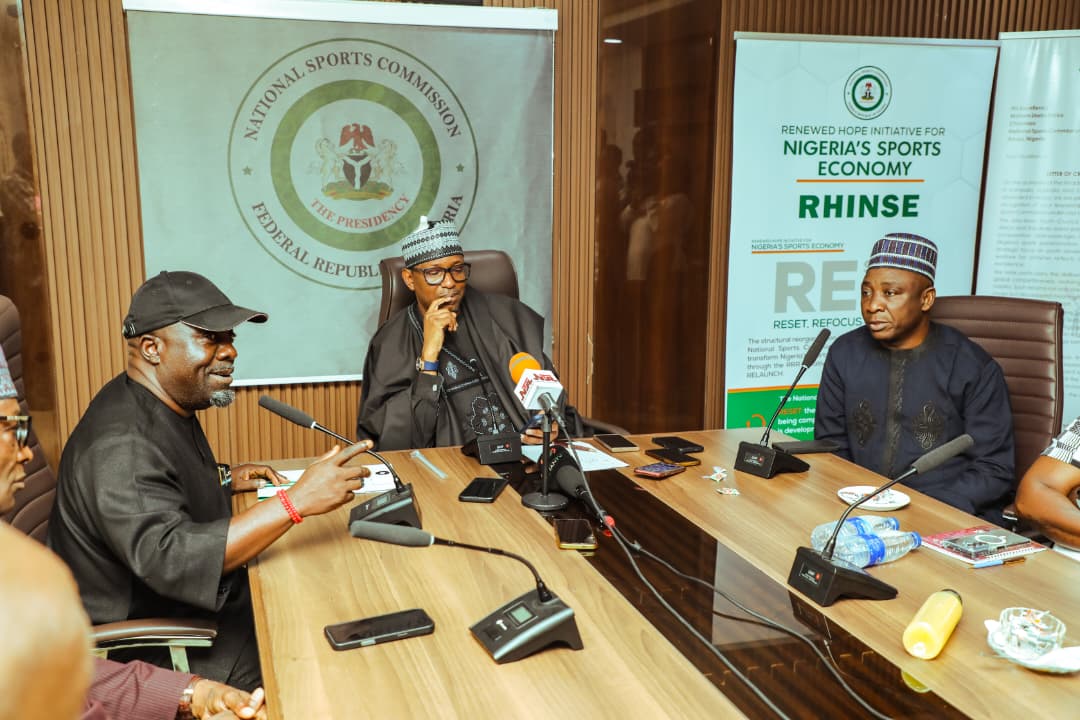
VDCInsights reports that this was part of the outcomes of the strategic meeting held between the NSC and NFF Leadership on Tuesday in Abuja.
Officials believe the unprecedented prize fund will significantly boost competitiveness, attract private investment, retain budding talents, improve club administration, and elevate the overall standard of the league.
Chairman Shehu Dikko also announced stricter enforcement of club licensing regulations, with player welfare placed at the heart of the reforms. As part of the new measures, a minimum monthly salary of ₦2 million for NPFL players has been approved.
The policy is intended to improve players’ welfare, reduce the migration of talented footballers abroad in search of better opportunities, and make the league more attractive to quality players.
Dikko said “Players must earn a living wage. This is how we build a league that commands respect at home and abroad” .
The NSC further revealed that plans are at an advanced stage to return the NPFL to mainstream television, a move expected to increase the league’s visibility, strengthen fan engagement, and unlock new commercial opportunities for clubs, sponsors, and stakeholders.
The NSC Chairman added “Our players must be seen. Our league must be known. Television coverage is non-negotiable.”
The resolutions reached at the meeting signal a new era of collaboration between the NSC and the NFF, anchored on national team stability, youth development, improved player welfare, commercial growth, and the long-term sustainability of Nigerian football.
Stakeholders believe the reforms could mark the beginning of a transformative chapter for the sport in the country.