The Revenue Mobilisation Allocation and Fiscal Commission (RMAFC) has initiated a comprehensive nationwide data verification exercise aimed at strengthening Nigeria’s revenue allocation framework.
VDCInsights reports that this strategic move is designed to review the factors and proxies used currently in sharing national revenue among the federal, state, and local governments.
This is ensure the distribution of resources aligns with contemporary socio-economic realities.
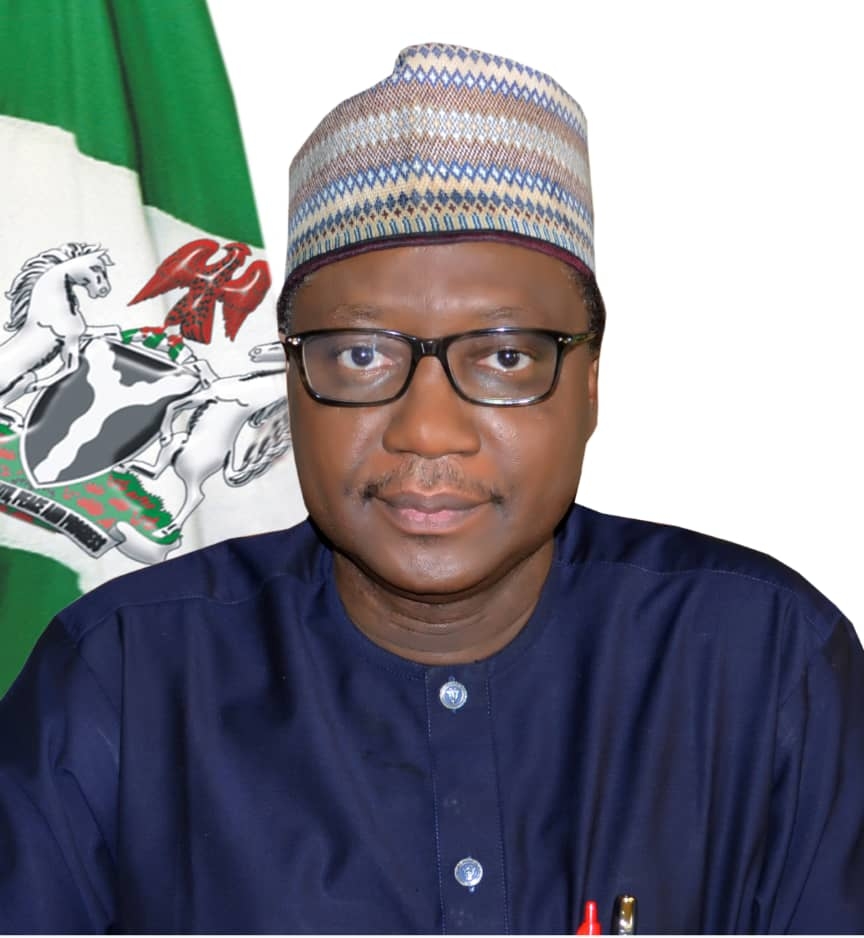
In a statement released on Thursday and signed by Maryam Umar Yusuf, Head, Information and Public Relations Unit of the RMAFC, the Chairman of the Commission, Mohammed Shehu, described the initiative as a landmark step towards fortifying fiscal federalism and improving national development planning.
Shehu noted that the integrity of the revenue sharing system relies heavily on the quality of the information used to calculate indices.
He stated “The Commission is committed to ensuring that Nigeria’s revenue allocation framework reflects the realities on the ground” .
The RMAFC boss added that “accurate data is the backbone of fairness, equity, and national cohesion, stressing that the nationwide exercise represents the Commission’s determination to build a more transparent and responsive revenue distribution system that serves the interests of all Nigerians.”
The Chairman noted that credible and verified information serves as the essential foundation for a sustainable fiscal system.
He therefore called for the full cooperation of the sub-national authorities, traditional institutions, and civil society organizations as the Commission’s verification teams travel across the country.
According to Shehu, the results of this exercise will have far-reaching implications for national planning, fiscal management, and balanced regional development.
The Commission explained that this undertaking is both a statutory responsibility and a strategic effort to boost institutional credibility while supporting evidence-based policymaking.
The rollout strategy includes region-by-region verification across all states and the Federal Capital Territory, involving the systematic collection, validation, and reconciliation of critical socio-economic and infrastructural data.
The verification process will center on several key indicators, including health and education provision, internal revenue generation capacity, and the level of infrastructure development within states and local government areas.
To foster transparency and trust, the Commission plans to hold stakeholder engagement sessions in each state to encourage collaboration between government agencies and local communities.
Shehu pointed out that the current framework relies on indices such as population, landmass, and development indicators, all of which require periodic reviews to remain relevant.
The Chairman said “Over time, Nigeria has witnessed significant socio-economic transformations marked by population growth, expansion of infrastructure, urbanisation, and widening development gaps among regions,”
He noted “These evolving realities necessitate the validation of existing datasets to ensure fairness, transparency, and equity in revenue sharing.”
He further disclosed that the broader review of the national revenue allocation formula is now at an advanced stage, stressing that this makes the current data verification a critical step in safeguarding the reliability of the indices that will dictate future allocations.
The Commission’s teams are expected to engage extensively with Ministries, Departments, and Agencies (MDAs), alongside local government authorities, to ensure every piece of data reflects present-day conditions across the federation.”