The National Human Rights Commission (NHRC) has reported a significant increase in human rights complaints across Nigeria in the first quarter of 2026, highlighting growing concerns over discrimination, law enforcement conduct, and insecurity.
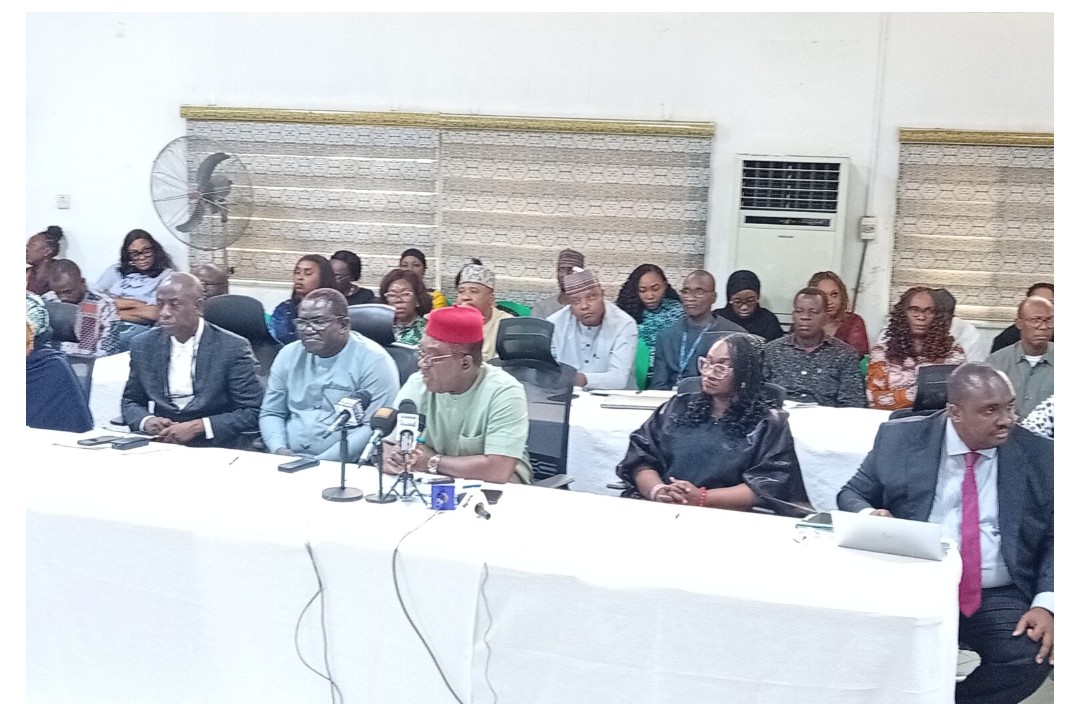
Speaking at the presentation of the Commission’s Human Rights Situation Dashboard in Abuja on April 10, the Executive Secretary, Tony Ojukwu, disclosed that a total of 659,617 complaints were recorded between January and March 2026.
According to him, complaints rose steadily throughout the quarter, with 180,341 cases recorded in January, 223,144 in February, and 256,132 in March.
He noted that violations related to freedom from discrimination consistently ranked among the most prevalent, reflecting deep-rooted structural inequalities in the country.
Ojukwu explained that the dashboard, introduced in 2024, was designed to promote transparency and data-driven reporting on human rights issues, adding that the Commission remains committed to sustaining accountability through regular updates.
The report also identified law enforcement-related issues and violations of human dignity as major concerns, particularly in February, called for improved professionalism and adherence to human rights standards among security agencies.
Beyond reported complaints, the NHRC noted that its Human Rights Observatory continued to capture unreported and underreported incidents, ensuring broader documentation of violations nationwide.
The Commission painted a grim picture of the human rights environment, citing persistent insecurity across regions.
In the North-East, insurgency continues to displace communities and disrupt livelihoods, while the North-West faces ongoing banditry and kidnappings.
Communal clashes in the North-Central region, including recent violence in Jos and Nasarawa State, were also highlighted as major threats to lives and property.
Additionally, the report flagged recurring cases of gender-based violence, mob actions, and worsening socio-economic conditions affecting access to basic needs such as food, housing, and livelihoods.
Ojukwu further emphasized the critical role of partnerships in advancing human rights protection, noting that the Commission works closely with stakeholders including the United Nations, the Police Service Commission, the Nigeria Police Force, civil society groups, and the diplomatic community.
He stressed that the success of the Commission’s work depend heavily on collaboration, pointing out that NHRC’s presence across all states of the federation strengthens its reach and impact.
Ojukwu also clarified that the dashboard is not intended to indict any institution but to raise awareness and encourage responsibility among government agencies and citizens.
According to him “If these issues are not brought to public attention, people may never understand the true situation. This is about encouraging everyone to do the right thing,” .
He highlighted the implementation of the National Action Plan on Human Rights, explaining that human rights protection cuts across all sectors, including infrastructure, housing, and public service delivery.
According to him, failure by agencies such as works and housing ministries to meet standards could directly impact citizens’ rights to life and adequate living conditions, underscoring the interconnectedness of governance and human rights.
The Executive Secretary reiterated that the Commission’s mandate included educating citizens and institutions on their roles in promoting a culture of respect for human rights nationwide.
Also speaking, a senior NHRC official, Hillary Ogbona, highlighted challenges in data collection and verification, noting that the Commission goes the extra mile to ensure credibility by working through its state offices.
He pointed out disparities in complaint reporting across states, attributing them to cultural practices, literacy levels, and limited awareness of human rights mechanisms.
He explained “In some communities, people prefer traditional dispute resolution systems, which may not adequately address certain violations, especially those affecting women,”.
Ogbona further stressed the need for increased funding, improved data systems, and enhanced public awareness to strengthen the Commission’s operations.
He also reiterated that NHRC services are free, encouraging Nigerians to report any demand for payment, and assuring that assistance is available even for individuals who cannot read or write.
Describing the report as a “call to action,” the NHRC urged stakeholders, particularly the media, to actively engage with the findings and help drive public accountability.
The Commission also commended the Federal Government for domesticating the Kampala Convention on internally displaced persons, described it as a critical step toward addressing displacement and protecting vulnerable populations.
Ojukwu reaffirmed the NHRC’s commitment to strengthening the dashboard as a real-time accountability tool, ensuring that human rights violations are not only documented but addressed.
“The data we present today must translate into concrete action,” he said, adding that the ultimate goal is to build a Nigeria where human rights are fully respected and protected in everyday life.
#Emporium reporters.com