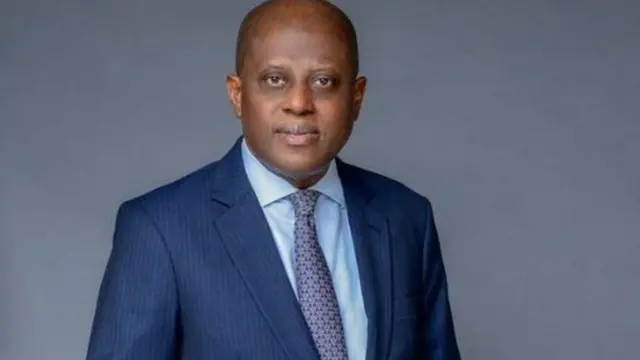
The Governor of the Central Bank of Nigeria, CBN, Olayemi Cardoso, has reaffirmed Nigeria’s commitment to macroeconomic stability and market-driven reforms.
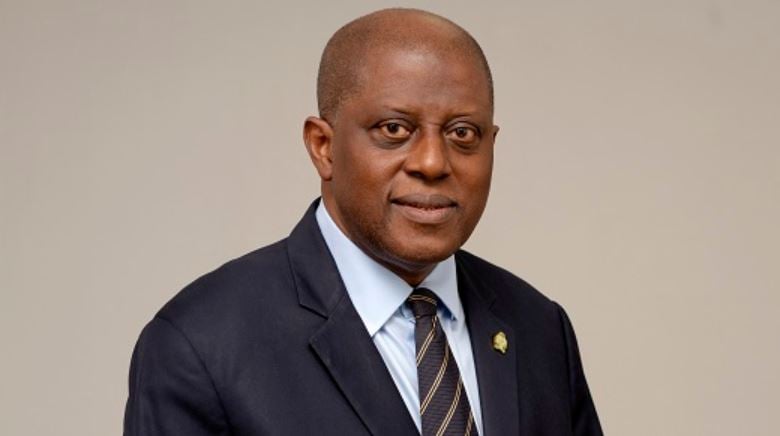
The Governor made this commitment when he engaged U.S. business leaders and institutional investors at the U.S.–Nigeria Executive Business Roundtable in Washington, D.C, United States of America.
Speaking during the meeting, Cardoso underscored the Federal Government’s reform agenda, stressing that Nigeria remains committed to rule-based economic management, transparent markets, and predictable policy frameworks despite heightened global economic uncertainty.
He highlighted key policy measures undertaken in recent months, including reforms in the foreign exchange market, the adoption of orthodox monetary policy, ongoing banking sector reforms, and the modernisation of the payments system.
According to him, these initiatives are critical to stabilising the economy and laying the foundation for sustainable, private-sector-led growth.
The roundtable, convened by the U.S. Chamber of Commerce’s U.S.-Africa Business Center, focused on macroeconomic stabilisation, regulatory clarity, and opportunities to scale bankable projects across priority sectors of the Nigerian economy. Discussions also emphasised the importance of strengthening commercial ties between Nigeria and the United States.
Participants examined investment opportunities across sectors such as infrastructure, finance, energy, and technology, while investors sought assurances on policy consistency and regulatory certainty as key drivers of long-term capital inflows.
Commenting on the outcome of the discussions, President of the U.S.-Africa Business Center at the U.S. Chamber of Commerce, Ms. Kendra Gaither, noted that global investors are increasingly responding to credible and consistent policies.
She said Nigeria’s message of discipline and opportunity is gaining traction at a time when the global economy is actively seeking stability and predictability.