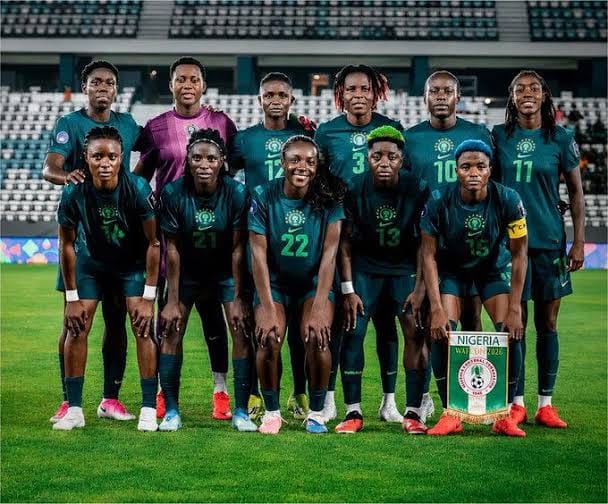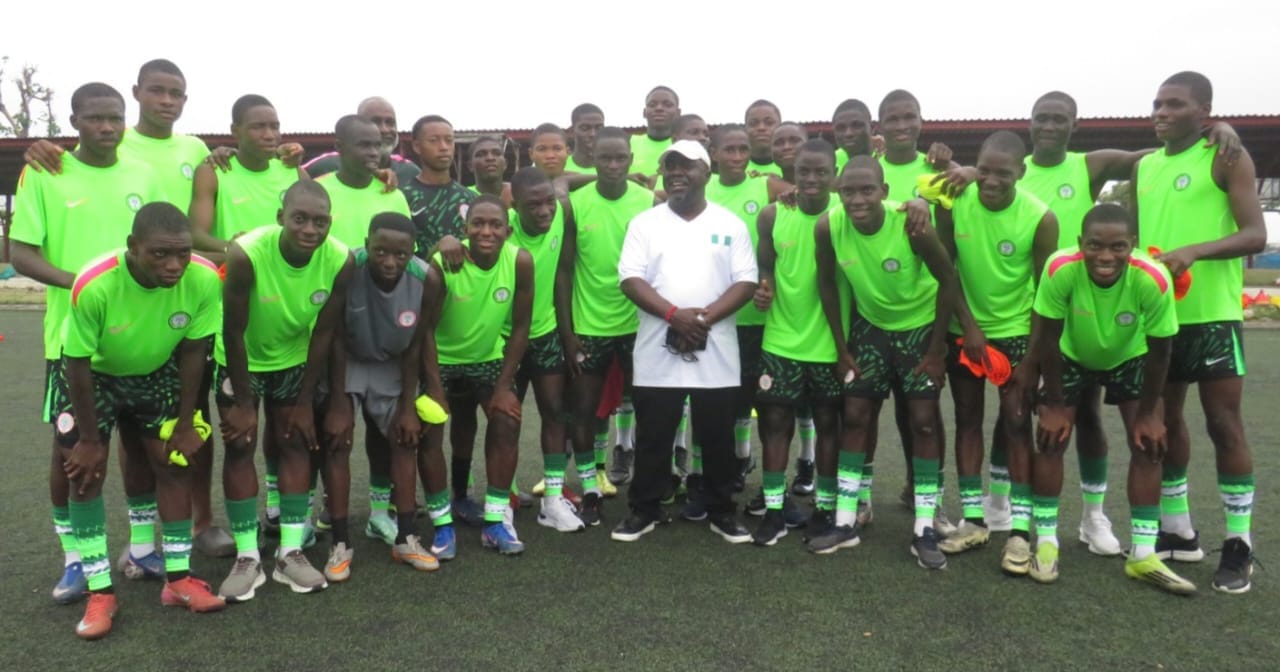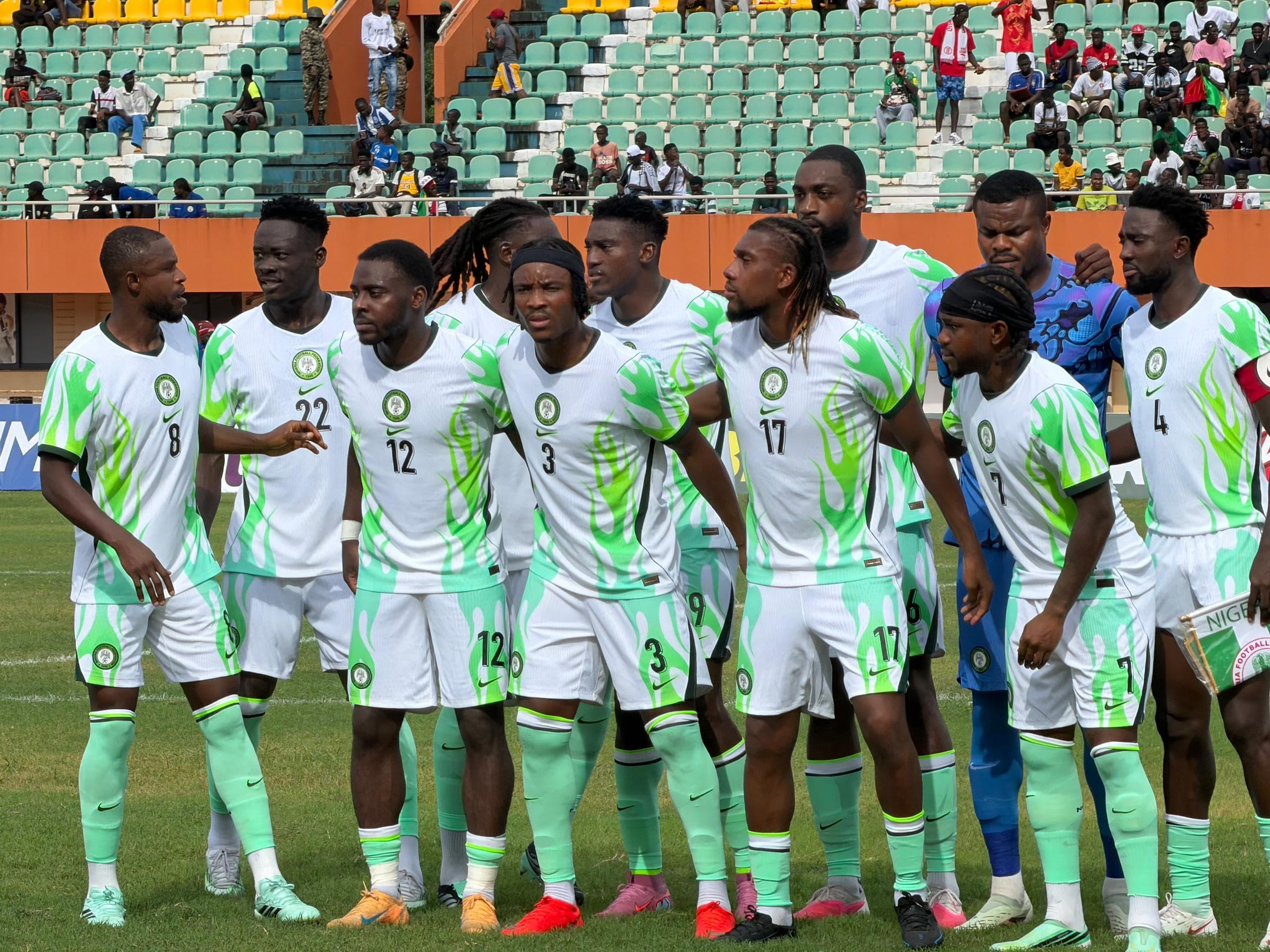
Nigeria will be missing in Qatar as the FIFA U17 World Cup begins in the United Arab Emirate City of Qatar. The implication is that the next generation of Nigerian football stars will be watching from the television as the next generation of global football stars gather for the FIFA U-17 World Cup 2025, which kicked off in Qatar on Monday.
Regrettably, at the time the number has been increased to 48, one of the most successful teams in the history of the Championship, Nigeria will be absent ..
This year’s edition, the 20th in tournament history, marks the start of a new era for youth football, promising more games, more nations, and more opportunities for emerging talent.
The tournament runs from 3 to 27 November, featuring 104 matches across nearly four weeks of action.
Group Stage: November 3–11
Round of 32: November 14–15
Round of 16: November 18
Quarterfinals: November 21
Semifinals: November 24
Third-Place Playoff & Final: November 27
Opening fixtures see South Africa face Bolivia, while Costa Rica take on the United Arab Emirates.
Venues and Host
Qatar becomes the first nation to host five consecutive U-17 World Cups. All matches will be played within the Aspire Zone complex in Al Rayyan, just outside Doha, with the final at the historic Khalifa International Stadium, a 45,857-seater that also hosted matches at the FIFA 2022 World Cup and AFC Asian Cup 2024.
This is the third time the U-17 World Cup will be staged in the Arab world, following Egypt (1997) and the UAE (2013).
Teams and Groups
The 2025 edition introduces the expanded 48-team format, doubling the field from the traditional 24.
The nations are drawn into 12 groups of four, as follows:
Group A: Qatar, Italy, South Africa, Bolivia
Group B: Japan, Morocco, New Caledonia, Portugal
Group C: Senegal, Croatia, Costa Rica, UAE
Group D: Argentina, Belgium, Tunisia, Fiji
Group E: England, Venezuela, Haiti, Egypt
Group F: Mexico, South Korea, Ivory Coast, Switzerland
Group G: Germany, Colombia, North Korea, El Salvador
Group H: Brazil, Honduras, Indonesia, Zambia
Group I: USA, Burkina Faso, Tajikistan, Czechia
Group J: Paraguay, Uzbekistan, Panama, Republic of Ireland
Group K: France, Chile, Canada, Uganda
Group L: Mali, New Zealand, Austria, Saudi Arabia
Tournament Format
The top two teams from each group, plus the eight best third-placed sides, advance to the Round of 32.
From there, the competition becomes a straight knockout through to the final.
This new structure makes the 2025 U-17 World Cup the largest youth tournament ever organized by FIFA.
Why It Matters
The U-17 World Cup has long been a springboard for football’s brightest prospects. Stars such as Cesc Fàbregas, Toni Kroos, and Phil Foden all made their early mark at this level — with Foden famously winning the Golden Ball in 2017 when England triumphed in India.
The tournament offers a glimpse into football’s future, where today’s teenagers often become tomorrow’s global icons.
Favourites to Watch
Without Nigeria, the record five-time champions who failed to qualify for the second edition in a row, attention turns to Brazil, aiming to equal Nigeria’s title record.
The Seleção, South American champions yet again, are strong favourites heading into Qatar.
Portugal, the reigning European U-17 champions, are another team to watch, while France and Argentina also boast impressive squads.
Defending champions Germany, who lifted the trophy in 2023, arrive with modest expectations after a disappointing campaign at this year’s European Championship.
Africa charge without Nigeria
Nigeria’s absence — a country synonymous with youth success — marks a significant shift in the balance of power across African football.
Still, Africa’s charge will be led by Senegal, Mali, Egypt, and Burkina Faso, each hoping to continue the continent’s proud tradition at this level.
The Road Ahead
From tactical flair to raw teenage passion, the 2025 FIFA U-17 World Cup promises drama, discovery, and dreams realized.
By the end of November, a new generation will emerge — and perhaps, the next global superstar will be born under the Qatari lights.