…The Stewardship Test: Why Nigeria Must End Political Pensions and Privileges
Nigeria cannot ease the burden of governance on its citizens without confronting one of the most scandalous contradictions in our public service culture: the generous retirement privileges enjoyed by political officeholders who serve for four or eight years, while ordinary workers must contribute for decades to secure a modest pension.
As we approach 2027, Nigerians must ask every presidential and governorship candidate a fundamental question: Are you running for office to serve the people, or to secure a lifetime financial package for yourself at the expense of the people?
Our economy is under immense pressure. Governments are borrowing to pay salaries, borrowing to build infrastructure, borrowing to meet recurrent expenditure and borrowing to service previous debts. States depend heavily on Federation Account allocations, while citizens struggle with the cost of food, transportation, education, healthcare and housing. Our children are inheriting a debt burden created by a political class that has repeatedly demonstrated a troubling appetite for public resources.
Yet, in this same economic environment, political officeholders have created retirement arrangements that guarantee pensions, houses, vehicles, medical care, security, domestic staff and other privileges after relatively short periods in office.
This is not stewardship. It is a contradiction of public service.
The injustice of political pensions
Consider the ordinary Nigerian civil servant. After decades of service, retirement benefits are determined by pension contributions, years of service, salary and the applicable pension framework. Many pensioners have endured delayed payments, inadequate benefits and the indignity of having to fight for what they earned through a lifetime of service.
Why should a governor who served for four years, or at most eight years, be entitled to a lifetime pension and privileges that could exceed what thousands of ordinary retirees receive?
These are not necessarily men and women who were unemployed before entering public office. Many were successful businessmen, professionals, entrepreneurs, academics and people with established sources of livelihood. They offered themselves for public service, yet some state laws transform that service into a permanent claim on public resources.
The moral question is unavoidable: Why should the public finance the retirement lifestyle of people who came into office with independent means, while ordinary workers must finance their own retirement through contributions?
When corruption erodes the moral justification
The argument for maintaining former governors from public funds becomes even more indefensible in a political environment increasingly burdened by corruption allegations, investigations and prosecutions involving former occupants of these offices.
Former Kogi Governor Yahaya Bello, for instance, is facing EFCC prosecutions involving allegations of money laundering, criminal breach of trust and diversion of public funds. The cases remain before the courts, and he has pleaded not guilty. Yet Nigerians must ask whether a former governor facing serious allegations relating to public funds should continue to enjoy pension and other privileges financed by the same state treasury whose resources are at the centre of the allegations.
Other former governors facing or having faced corruption proceedings include Willie Obiano of Anambra, Abdulfatah Ahmed of Kwara, Darius Ishaku of Taraba, Theodore Orji of Abia, Gabriel Suswam of Benue, Murtala Nyako of Adamawa and Ayo Fayose of Ekiti, among others. Their cases have different histories and legal statuses, including ongoing trials, acquittals, dismissed charges and unresolved proceedings. Allegations must never be confused with convictions, and every accused person is entitled to the presumption of innocence.
But the larger public-interest question remains: Should the Nigerian taxpayer continue to finance lifetime privileges for political officeholders while the integrity of their stewardship is being questioned in court?
The problem is even more troubling where former governors have been convicted of corruption. A 2020 investigation by Punch reported that Delta and Edo States had spent over ₦842 million on pensions and benefits for former governors James Ibori and Lucky Igbinedion, both convicted in corruption cases.
What moral justification can sustain a system in which the public treasury continues to finance the privileges of leaders whose criminal convictions involved the abuse or misappropriation of public resources?
The growing corruption crisis among the political class has eroded whatever argument could once have been made for generous political retirement packages. Public office should not become a guaranteed route to lifelong benefits, particularly where the record of stewardship is stained by allegations of financial misconduct or proven corruption.
What Nigeria has already spent
The scale of this problem is not imaginary.
Reports have indicated that 21 states spent over ₦37 billion servicing former governors and deputy governors through pensions and other entitlements, including houses, staff and replacement vehicles.
Separately, federal expenditure on the upkeep of former presidents, vice presidents and other former national leaders has been reported at over ₦38 billion across 22 years, based on budget records.
The 2024 federal budget also proposed approximately ₦2.3 billion for entitlements of former presidents, heads of state, vice presidents and other former national leaders.
These are not a consolidated national accounting of all pensions, housing, vehicles, medical expenses, security and domestic staff paid since 1999. They are documented illustrations of the scale of the burden.
Nigeria needs a comprehensive audit covering every former governor, deputy governor, president and vice president since 1999. The audit must disclose the laws authorising each benefit, the beneficiaries, the amounts paid, the current status of payments and the total cost to each state and to the federation.
The Peter Obi example
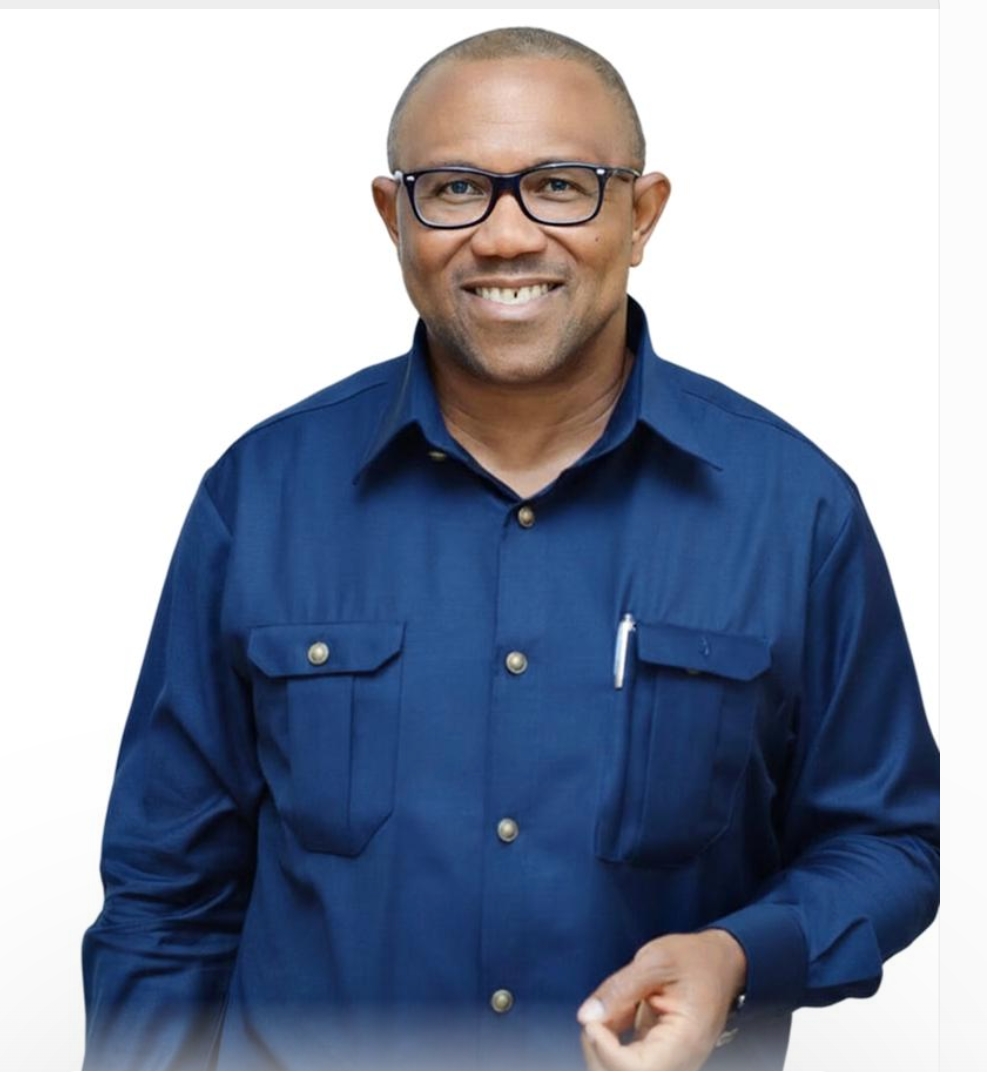
Peter Obi offers Nigerians a different model of public service.
In 2022, he publicly stated that he had not received a pension since leaving office as Governor of Anambra State in 2014. His position was that public office was an opportunity to serve, not an entitlement to a lifetime retirement package charged to the people.
Whether one supports his politics or not, this example raises an important national conversation about leadership values.
What if every governor adopted this principle? What if every president and vice president voluntarily declined post-office pensions, luxury retirement housing, replacement vehicles and personal benefits charged to the public treasury?
What if political officeholders saw public service as a temporary assignment rather than an opportunity to secure lifetime privileges?
The savings would be significant over time. Beyond the money saved, the country would gain something even more valuable: a new standard of leadership and a renewed moral foundation for public service.
EASE Nigeria: A new covenant of stewardship
Our EASE Nigeria 2027 and Beyond initiative is a citizen-led call for Economy, Agriculture, Security and Education to become the pillars of national transformation.
But no policy framework can succeed if those entrusted with public resources are unwilling to make sacrifices themselves.
Nigeria needs leaders who will reduce the cost of governance, exercise fiscal discipline, limit unnecessary borrowing, eliminate waste and demonstrate that austerity is not merely a burden imposed on citizens but a discipline embraced by leadership.
We must ask every presidential and governorship candidate in 2027:
Will you voluntarily waive your pension and retirement benefits?
Will you reject unnecessary official vehicles, luxury accommodation and excessive personal security arrangements after leaving office?
Will you support legislation abolishing excessive political pensions and privileges?
Will you commit to a transparent audit of all former governors’ and presidents’ benefits since 1999?
Will you support the suspension of pension and other discretionary benefits where serious corruption charges are pending, subject to lawful safeguards, and the forfeiture of benefits where corruption is established through due process?
Will you lead a government that is willing to sacrifice before asking citizens to sacrifice?
2027 must be about stewardship
Nigeria does not lack resources alone. We lack a culture of accountability that places the people’s welfare above the privileges of those elected to serve them.
We cannot continue to mortgage the future of our children through borrowing while political leaders create permanent financial obligations for themselves.
The 2027 election must therefore be more than a contest of personalities, political parties, ethnic calculations or religious sentiments. It must be a referendum on stewardship.
The Peter Obi example demonstrates that declining political retirement privileges is possible. It is not a constitutional impossibility. It is a question of values, courage and personal conviction.
We need more leaders who understand that the privilege of serving Nigeria is itself an honour, not an entitlement to lifelong financial reward.
EASE Nigeria must begin with those who seek to govern.
If we are serious about easing Nigeria for Nigerians, we must first ease the nation of the unnecessary burdens imposed by those who govern.
The question for every candidate in 2027 is simple:
Are you willing to serve Nigeria without making Nigeria pay for your retirement?
That is the stewardship test. That is the sacrifice we must demand. That is the Nigeria we must build, 2027 and beyond.
By Bolaji O. Akinyemi