Former President Goodluck Ebele Jonathan and Justice Mabel Taiye Segun-Bello of the Federal High Court of Nigeria have called for deliberate leadership reforms, institutional accountability and a renewed commitment to national values as critical steps towards restoring Nigeria’s international reputation.
They made the call on Saturday at the third edition of the Paul Alaje Colloquium, themed The Brand: Nigeria, held at the NAF Conference Centre and Suites, Kado, Abuja.
The event brought together prominent personalities from the government, the judiciary, traditional institutions, business, academia and other sectors to examine Nigeria’s national identity, global standing and development prospects.
Among the dignitaries present were former President Goodluck Ebele Jonathan, who delivered the keynote address; Justice Mabel Taiye Segun-Bello of the Federal High Court; His Royal Highness, Etsu Luka Ayedoo Nizassan III; President of the Nigerian British Business Forum, Prince Afolabi Andu; and Mrs Didi Walson-Jack, OON, mni.
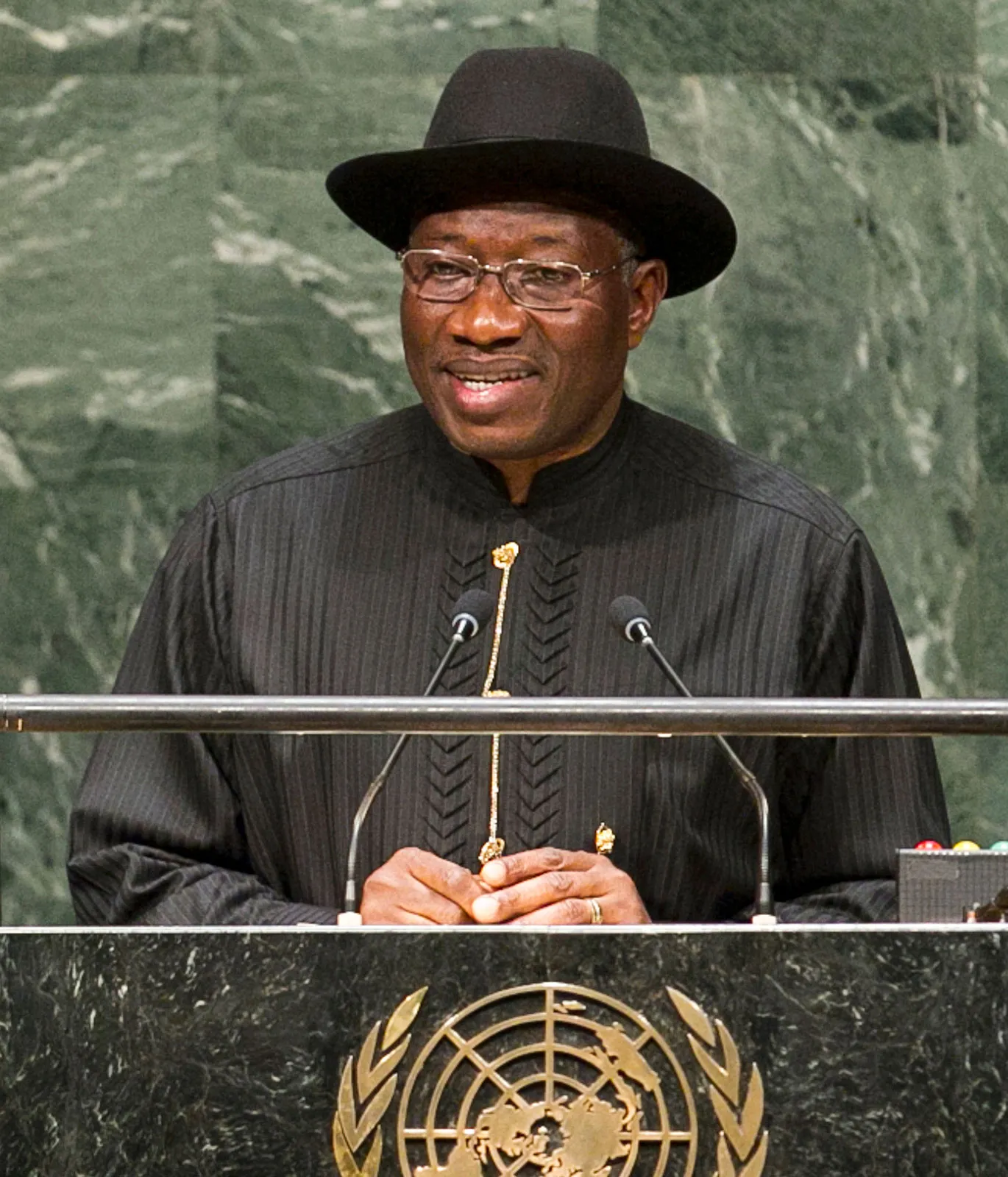
In his keynote address titled The Brand Nigeria, Jonathan identified insecurity, corruption, unemployment, economic difficulties and weak public institutions as major factors undermining the country’s international reputation.
He stressed that national branding goes beyond slogans, logos and publicity campaigns, noting that a country’s identity and reputation are shaped by the conduct of its people, the credibility of its institutions, its achievements and the experiences of its citizens.
According to him, a strong national brand attracts investment, tourism, international partnerships and opportunities for citizens, while inspiring patriotism at home and commanding respect abroad.
He, however, maintained that Nigeria’s challenges should not be confused with the character of its citizens, noting that millions of Nigerians continue to demonstrate excellence, integrity and enterprise across the world.
To reverse the trend, Jonathan called for a renewed commitment to national values, particularly integrity, discipline, hard work and patriotism.
He also advocated reforms in leadership recruitment and public administration, insisting that merit, competence, transparency, accountability and respect for the rule of law must take precedence over money, patronage and sectional interests.
Reflecting on Nigeria’s past international standing, Jonathan recalled the country’s contributions to the liberation of Southern Africa, peacekeeping operations in Liberia and Sierra Leone, and its influence in international diplomacy.
He, however, expressed concern that the country’s reputation had suffered setbacks, particularly pointing to the relatively weak international standing of the Nigerian passport as an indication of declining global confidence.
The former President called for a renewed commitment to integrity, discipline, hard work and patriotism, while advocating merit-based leadership recruitment, transparency, accountability and respect for the rule of law.
He also urged government to strengthen security, education, healthcare, agriculture, manufacturing, technology and infrastructure, stressing that restoring Nigeria’s reputation requires addressing the realities behind its negative international perception.
Similarly, Justice Segun-Bello emphasised the importance of institutional integrity, accountability and digital transformation in rebuilding public confidence and strengthening Nigeria’s national identity.
Speaking on her experience as a former Director of the Department of Oaths in the Nigerian judiciary, she recounted encountering widespread irregularities in the issuance and verification of affidavits.
She disclosed that approximately 99 per cent of the documents presented for verification in the cases she handled turned out to be fraudulent, raising concerns about the credibility of judicial processes and the reputation of the judiciary.
Justice Segun-Bello explained that the situation prompted her to pioneer the introduction of a digital affidavit registry management system to address the weaknesses of the manual process, improve verification and strengthen accountability.
She noted that institutional weaknesses and practices that undermine public trust have consequences beyond the organisations directly affected, as they also influence how the country is perceived by its citizens and the international community.
Her contribution reinforced the need for practical institutional reforms, noting that rebuilding Nigeria’s image must begin with improving the systems and public services through which citizens experience governance.
The colloquium also examined five critical pillars considered essential to repositioning Nigeria: health, governance and security, the creative economy, artificial intelligence, and economy and investment.
The discussions highlighted the need for credible institutions, improved healthcare delivery, support for Nigeria’s creative industries, technological innovation and a more competitive economic environment capable of attracting investment and creating opportunities.
The opening address the convener, Paul Alaje challenged Nigerians to move beyond celebrating the country’s enormous potential and focus on measurable development outcomes, stressing that national branding cannot be separated from the quality of life of citizens.
He argued that Nigeria cannot successfully market what it has not built, calling for a consistent national development vision that transcends political administrations.
The third edition of the Paul Alaje Colloquium was convened by Dr Paul Alaje, with Ms Fehintoluwa Oduekun serving as Chairperson of the Local Organising Committee.
The colloquium provides a platform for policymakers, business leaders, academics, professionals and other stakeholders to examine national development challenges and generate ideas capable of influencing policy and institutional reforms.
The 2026 edition reinforced the need for collective responsibility in rebuilding Nigeria’s reputation, with speakers emphasising that the country’s global standing must be supported by purposeful leadership, credible institutions, national values and tangible development outcomes.
Correspondent/ Janet Eke