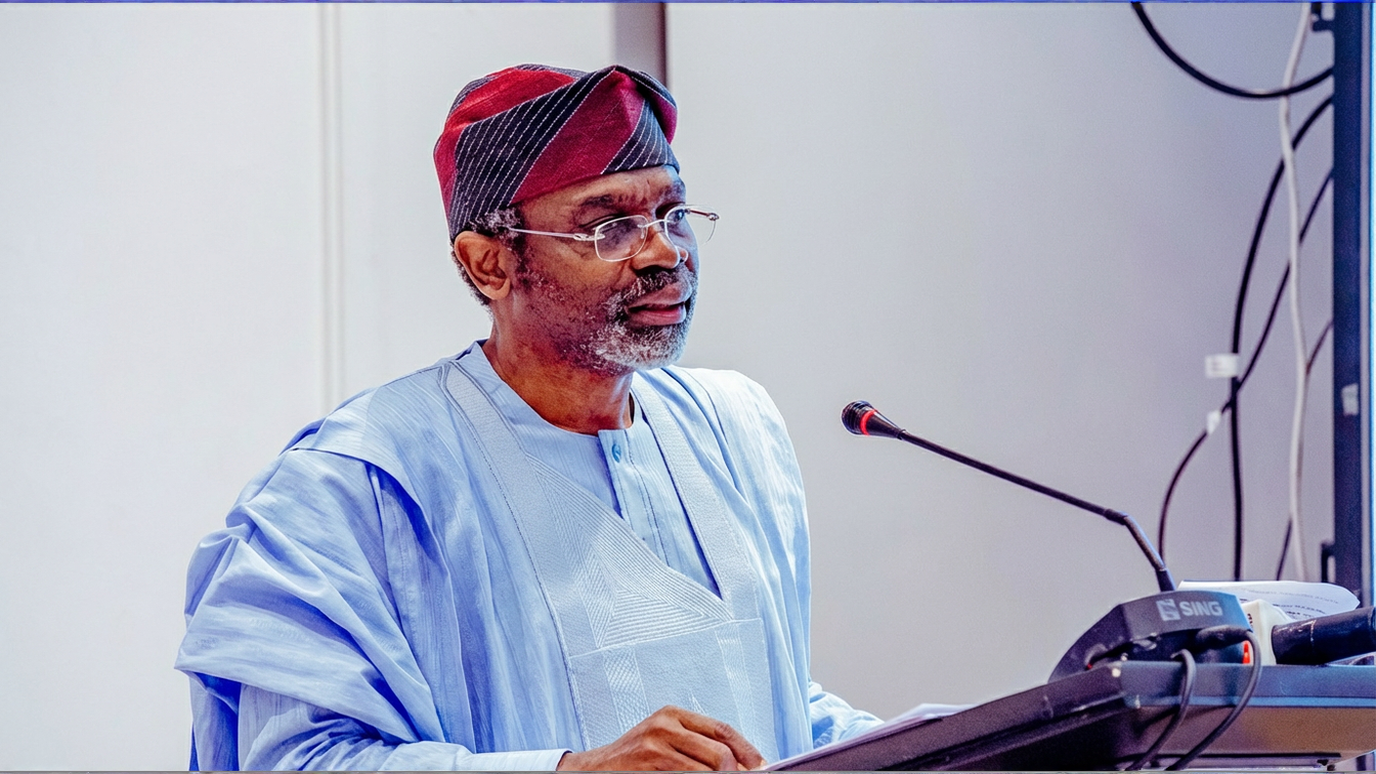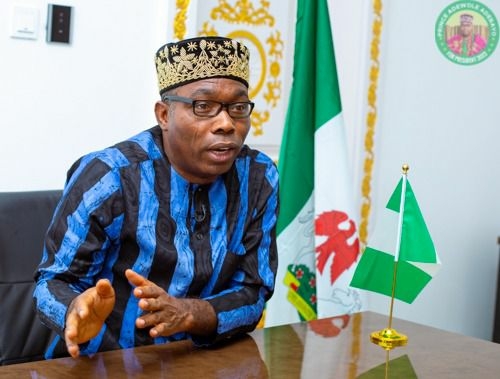
Former National Commissioner of the Independent National Electoral Commission (INEC), Festus Okoye, has condemned the controversial ‘Rig and Die’ slogan, warning that threats of violence against suspected electoral offenders have no place in a democratic society.
Okoye maintained that no individual or political group has the right to use force against anyone accused of manipulating election results, stressing that suspected electoral offences must be handled through lawful channels.
His comments come amid growing political tension ahead of Nigeria’s 2027 general elections, with concerns about electoral manipulation, voter intimidation and possible violence becoming increasingly prominent in political discussions.
Speaking on Arise News on Tuesday evening, the former INEC commissioner argued that citizens must not take the law into their own hands, regardless of their suspicions about the conduct of politicians or electoral officials.
He explained that anyone who witnesses or has credible information about electoral malpractice should report the matter to the appropriate security agencies for investigation and possible prosecution.
According to Okoye, democratic principles do not permit individuals to punish suspected offenders through violence or mob action.
He said, “So I think that in our circumstances, no individual, even under Section 132 of the Electoral Act, is permitted to treat anybody with the use of force or violence.”
The former commissioner added that reporting suspected offences to lawful security agencies remains the appropriate response rather than encouraging citizens to attack those accused of electoral misconduct.
He warned that promoting self-help could undermine the rule of law and weaken the democratic values that elections are supposed to protect.
Okoye’s intervention highlights the delicate balance between protecting the integrity of elections and preventing political violence during the electoral process.
While Nigerians have continued to express concerns about vote manipulation and the credibility of election results, the former INEC official insisted that such concerns cannot justify threats against individuals.
He maintained that the responsibility for investigating electoral offences rests with legally recognised institutions, not political supporters or groups seeking to enforce their own version of justice.
His position also draws attention to the importance of peaceful participation as political parties begin preparations for the 2027 elections.
Electoral integrity requires more than preventing the manipulation of votes. It also depends on protecting voters, candidates, election workers and other participants from intimidation and physical attacks.
Consequently, threats against suspected offenders could create an atmosphere of fear that discourages participation and weakens confidence in the electoral process.
The ‘Rig and Die’ slogan has generated considerable debate in Nigeria’s political space as preparations for the 2027 general elections gather momentum.
The expression is generally presented as a warning against politicians, party supporters and electoral officials who may attempt to manipulate election results or undermine voters’ choices.
However, its use has raised questions about whether threats of deadly violence can be justified in the name of protecting electoral integrity.
The slogan attracted renewed national attention in October 2026 following remarks by former Deputy Senate President Ovie Omo-Agege during a political campaign in Delta State.
Omo-Agege warned that anyone caught attempting to rig the 2027 elections would face deadly consequences.
He declared: “Anybody who rigs the election on that day, we will kill him! If you don’t value your life, come and rig the election. It is rig and die.”
The statement generated attention because of its direct reference to killing individuals suspected of attempting to manipulate election results.
Although the expression has been used to communicate resistance to electoral malpractice, Okoye’s comments highlight the potential dangers of turning such warnings into calls for physical violence.
The slogan has also featured in earlier political discussions.
Former entertainer and social commentator Charles Oputa, popularly known as Charly Boy, employed the expression in August 2025 while warning politicians against manipulating election results.
Its repeated appearance in political conversations suggests growing public frustration with electoral malpractice and concerns about whether the choices of voters will be respected.
However, the debate surrounding the expression has also exposed the challenge of addressing electoral misconduct without encouraging lawlessness.
Okoye’s warning comes as political activities intensify ahead of the 2027 general elections.
The credibility of the electoral process is expected to remain a major issue for political parties, candidates, voters and election management institutions.
For many Nigerians, preventing electoral malpractice is essential to ensuring that election results reflect the actual choices of voters.
However, the former INEC national commissioner has stressed that protecting the ballot must not become an excuse for violence.
Politico.ng reports that his position places renewed emphasis on the responsibility of security agencies to respond to electoral offences and protect citizens throughout the election period.
As political campaigns approach, the challenge will be ensuring that strong opposition to vote manipulation does not translate into intimidation, attacks or threats against perceived political opponents.Ultimately, the 2027 elections will test not only the ability of electoral institutions to conduct credible polls but also the willingness of political actors and their supporters to respect democratic rules and peaceful participation.